Commercial Real Estate Underwriting – Beginner’s Guide
What Is Commercial Real Estate Underwriting?

Commercial real estate underwriting is essentially, the process of determining the level of risk associated with a commercial real estate loan and the potential returns that the commercial property could generate. To do that, they look at several things. One is the borrower’s credit history: is this person or business likely to be able to pay the loan back? They’ll also check the credit report and run through the numbers to see the income that the property can generate. A property appraisal gives them a sense of what the commercial property is worth, and then they’ll look at the surrounding market to see if the location and timing make sense.
Ideally, a lender will want to make sure that the property is generating a positive cash flow, so that the borrower can cover the loan repayments. If the deal looks solid, it usually moves forward. If not, it stops there.
Why Underwriting Matters in CRE
When it comes to commercial real estate investing, underwriting is one of the key factors that determines the loan terms a lender can offer, and how the loan is structured. It also plays a major role in assessing a property’s risk profile and long-term value, making it a crucial part of the process. For lenders, underwriting helps identify properties that are more profitable and carry less risk. For borrowers, it highlights potential challenges with the purchase, as well as the returns they can reasonably expect.
Underwriting an Existing Property

Underwriting existing properties differs from underwriting a development or ground-up project because existing properties come with historical data that can be analyzed. Typically, the following factors are considered in the underwriting process for these properties:
1. Income and Expenses:
The property’s income and expenses are a critical part of the underwriting process. These figures help the lender determine whether the property generates enough income to cover its operating costs, as well as the loan repayments.
2. Occupancy Rates:
A higher occupancy rate—and a lower vacancy rate—typically signals that a property is more likely to be profitable. The more consistently a property is occupied, the more stable its income stream will be over time.
3. Property Condition
The condition of the building will be assessed during the property appraisal, which affects its overall valuation. This also plays a role in estimating long-term costs related to maintenance and repairs.
4. Tenant Stability:
The quality of the tenants and the length of their leases are major factors in real estate underwriting. Stable tenants with long-term leases increase the likelihood of steady rental income and positive cash flow over time.
5. Location:
Properties in high-demand areas with good accessibility, visibility, and proximity to business centers tend to perform better and maintain stronger occupancy rates than those in less strategic locations.
Underwriting a Development or
Ground-Up Project
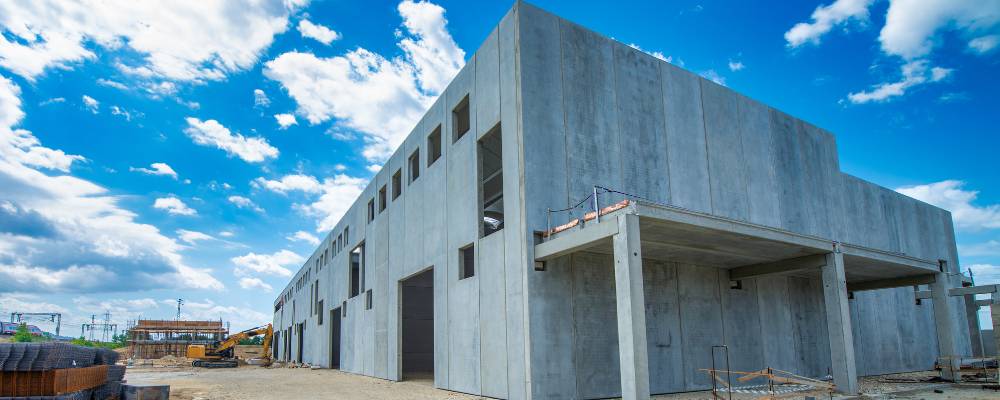
Underwriting for a ground-up construction or development project is different from underwriting an existing property because there’s no historical data to rely on. Instead, the focus shifts to several forward-looking factors:
1. Financial Projections:
Since there’s no financial track record, estimating the property’s future income and expenses becomes essential. These projections help lenders gauge whether the property is likely to be cash flow positive, which directly affects the perceived risk and potential return of the loan.
2. Developer Track Record:
A developer’s experience plays a major role in the underwriting process. Lenders want to know whether the developer has successfully completed similar projects in the past. A strong track record can boost confidence in the project’s success.
3. Construction Risk:
The project’s timeline, budget, and overall complexity all factor into the construction risk. Delays, cost overruns, or unforeseen issues can threaten the project’s viability, so evaluating this risk is a key part of the real estate underwriting process.
Step-by-Step: How CRE Underwriting Works

Step 1: Loan Application
Everything starts with the loan application. The borrower fills it out and sends it to the lender, along with a stack of supporting documents. This usually means business financial statements, tax returns, personal financial info, rent rolls if the property already has tenants, and any recent property appraisal reports. A lender may ask for anything that helps them get a clear picture of the borrower and the property.
Step 2: Review
The lender reviews the application and supporting documents against their criteria to see if the deal qualifies. If the property appears eligible, the full underwriting process moves forward.
Step 3: Property Appraisal
A licensed property appraiser is brought in to determine the property’s value. This property appraisal accounts for the building’s condition, location, comparable sales, and other market factors that influence value.
Step 4: Financial Analysis
The financial analysis stage is one of the most detailed parts of the underwriting process. Lenders examine metrics such as the loan-to-value (LTV) ratio, debt service coverage ratio (DSCR), rental income, expenses, capital expenditures, debt-to-income (DTI) ratio, and overall operating income. The goal is to assess the property’s long-term ability to remain financially stable.
Step 5: Loan Structure
If the financials check out, the lender moves on to structuring the loan. This step defines the loan’s terms, interest rate, repayment schedule, and other details that govern how the loan will be repaid. The loan structure is tailored to balance the lender’s risk with the borrower’s ability to meet obligations
Step 6: Approval or Rejection
Once underwriting is complete, the lender makes a final decision on whether to approve or reject the loan. Even if a property appears promising, lenders may still reject the application if red flags show up during the underwriting process, such as gaps in the borrower’s credit history or a debt service coverage ratio that falls short of their minimum standards. If approved, the lender issues a formal commitment letter outlining the loan terms.
Step 7: Closing
Closing begins once the borrower accepts the loan terms and signs the agreement. At this stage, closing costs are paid, insurance requirements are confirmed, and final legal documentation is completed. Once everything is in order, funds are disbursed to the borrower. From there, the repayment schedule begins, and the borrower is responsible for meeting loan obligations in line with the structure that was agreed upon.
The Role of the Commercial Real Estate Underwriter
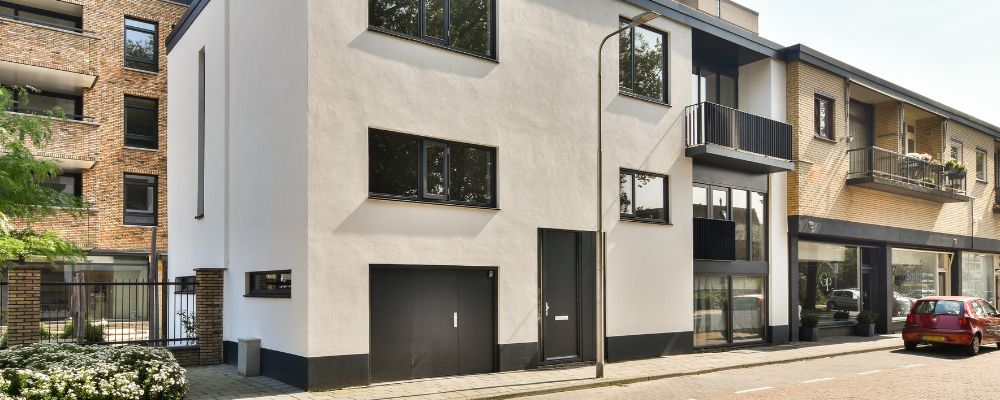
A commercial real estate underwriter plays a central role in the underwriting process. Their job is to review loan applications for commercial properties and decide how much risk is tied to the loan. To do this, they dig into both the borrower’s background and the property itself.
Financial Review: The first step is to figure out whether the borrower can realistically pay off the loan. That means reviewing the borrower’s credit history and credit report, while also looking at key financial metrics like the debt service coverage ratio (DSCR), loan-to-value (LTV) ratio, and net operating income (NOI). On the property side, an underwriter studies cash flow, operating expenses, and rental income to see if the property can generate enough income to cover loan payments.
Market Evaluation: A big part of real estate underwriting is understanding the broader market. Underwriters weigh factors such as interest rates, economic trends, and local market conditions to see how they might affect the loan. For instance, if interest rates are climbing, an underwriter may recommend shorter loan terms with fixed rates to protect both the lender and the borrower from future rate hikes.
Risk Evaluation: Every commercial real estate loan carries some level of risk, and it’s the underwriter’s job to measure and manage it. This includes evaluating tenants and lease agreements to gauge how stable the property’s rental income will be. The goal is to judge how the property is likely to perform over the life of the loan and to address risks early, so both the borrower and the lender are better protected.
Key Metrics & Factors in the Underwriting Process
Several key metrics guide the commercial real estate underwriting process. These help lenders decide if a property can generate income consistently and whether it’s a safe investment.
Net Operating Income (NOI): A commercial property’s NOI is its gross income minus operating expenses such as maintenance, property taxes, and utilities. Lenders use NOI to get a snapshot of annual cash flow and to see if the property can comfortably cover loan payments. Vacancies are also factored in, since empty space reduces income.
Debt Service Coverage Ratio (DSCR): The debt service coverage ratio measures whether the property’s income can cover its debt obligations. Lenders calculate this by dividing NOI by the annual mortgage payments. A DSCR of 1.25 or higher is generally preferred, since it shows the property has enough cash flow to handle debt with some cushion for risk.
Loan to Value (LTV): The loan to value ratio compares the loan amount against the property’s appraised value. It’s calculated by dividing the loan amount by the property value. Many lenders use LTV as a core part of the underwriting process, with lower LTV ratios often translating to stronger loan terms because the lender’s risk is reduced.
Debt Yield: Debt yield measures how quickly a lender could recover their loan if they had to take ownership of the property. It’s calculated by dividing NOI by the total loan amount. Unlike DSCR or LTV, debt yield doesn’t depend on interest rates or property values, which makes it a reliable backstop for risk assessment.
Cap Rates: The capitalization rate, or cap rate, helps underwriters evaluate the expected return on a property. It’s found by dividing NOI by the purchase price. A very low cap rate (around 3%–6%) may indicate that the property is overpriced for the borrower, while a range of 7%–10% suggests a healthier balance between price and potential return.
Real Estate Market Considerations: Beyond the numbers, underwriters also weigh external factors such as property condition, location desirability, and vacancy trends. A property appraisal will reflect much of this, but underwriters also look at broader market conditions, available reserves, and tenant stability. Together, these considerations provide a fuller picture of whether the property is likely to generate income consistently over the long term.
Best Practices to Improve Loan Approval Odds
Borrowers can take a few easy steps to improve their chances of moving smoothly through the commercial real estate underwriting process:
Complete Documentation:Submitting a full and accurate loan package upfront can help speed up the commercial real estate underwriting process. Provide the lender with all required documents (financial statements, tax returns, property appraisal reports, and any supporting details) and respond quickly to additional requests.
Realistic Assumptions: When presenting projections, it’s better to stay conservative. Overstating rental income or underestimating expenses can raise red flags. Lenders are more comfortable when assumptions align with market trends and reflect a realistic picture of the property’s ability to generate income.
Strong Equity:Having more equity in the deal lowers the lender’s risk and shows commitment from the borrower. A lower LTV ratio can often improve the odds of approval and may even secure more favorable loan terms, after real estate underwriting.
Pro Forma Clarity: A clear, well-prepared pro forma that outlines income, expenses, and cash flow expectations makes it easier for underwriters to evaluate the deal. Transparency and attention to detail demonstrate that the borrower understands the numbers and has a plan to cover loan payments over time.
Hard Money Loans
Data driven hard money lending. Get your loan in under 10 minutes
Commercial Real Estate Loan Resources
Discover the best commercial real estate lenders offering competitive rates, flexible terms, and reliable financing solutions
These commercial real estate loans are designed to cover everything from land acquisition to construction costs
Commercial hard money loans focus primarily on the value of the property rather than the borrower’s credit profile. They are more flexible than traditional loans.
Learn the key factors that impact commercial loan interest rates and how to secure the most favorable financing for your investment.
This guide explains the most common terms that you can expect when applying for a commercial real estate loan.
This comparison explores the key differences between commercial loans and residential loans.
The typical down payment for purchasing a commercial property ranges from 10% to 35% of the purchase price, with the minimum generally starting around 10%.
Commercial real estate loans are used to purchase, build, or develop income-producing property for business use, such as office buildings, retail centers and hotels
Small balance commercial loans are designed to finance lower-cost commercial properties, typically ranging from $250,000 to $5 million
This guide explains all the main types of commercial real estate loans and how they are tailored to different investing strategies.
A commercial DSCR loan is a type of real estate financing used primarily for income-generating properties.
Calculate monthly payments, interest, balloon payment and DSCR for your commercial real estate project.
The right course can equip you with the skills to analyze deals, understand market dynamics, and make informed decisions.