Commercial Construction Loans – How To Qualify

How Do You Get Funding To Build A Commercial Building?

Commercial Construction Loans

Securing funding for a commercial construction project typically involves taking out a construction loan tailored to the unique demands of building commercial property. These commercial real estate loans are designed to cover everything from land acquisition to construction costs and are especially useful for developers, investors, and small businesses in the construction industry.

Commercial construction loans can be short-term loans with variable interest rates, where borrowers only pay interest during the construction phase. Once the construction process is complete and the property is stabilized, borrowers often transition to longer-term financing—commonly through construction to permanent loans. These offer the convenience of converting to a traditional mortgage, usually with a fixed interest rate, without the need for a second loan.

There are several types of construction loans available depending on the scope of the construction project. These include construction mortgage loans, SBA-backed construction loans, construction to permanent loans, and standard commercial construction loans. Each option serves a specific purpose, so selecting the right fit is essential for financial efficiency and long-term success.

These loans are offered by both traditional banks and private lenders, including fintech companies that specialize in fast, flexible financing for commercial property development. It’s crucial to evaluate lenders based on their experience, loan terms, and transparency in managing construction costs.

Commercial Construction Loans
What You Need To Know

If you’re planning a commercial construction project, getting approved for financing starts with making sure your project meets a lender’s key criteria. While exact requirements can vary by lender, there are some core elements nearly all financial institutions will look for when evaluating your application.

How Can I Tell If My Project Qualifies For A
Commercial Construction Loan?

Income Potential of the Property: First and foremost, lenders want to assess the income potential of your commercial property. Will it generate enough revenue, whether through leasing, resale, or business operations, to justify the investment? A solid business plan that outlines projected income and long-term viability can make a strong case.

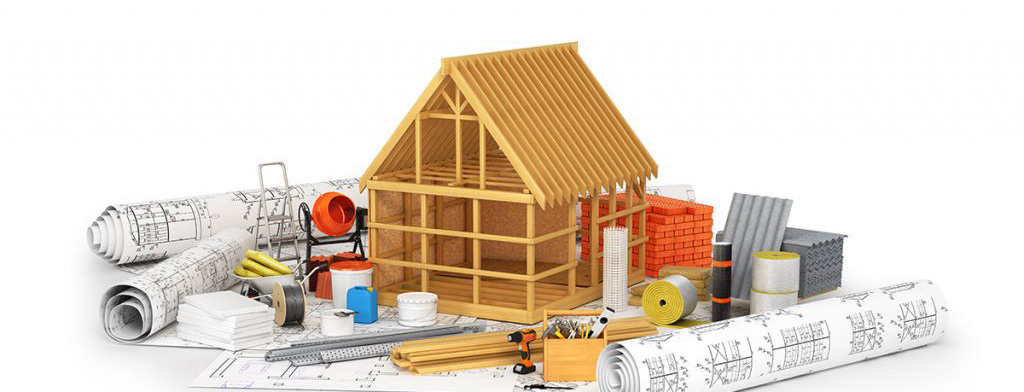
Detailed Construction Plans: You’ll also need to present detailed construction plans, including blueprints, elevation drawings, material specifications, and a clearly defined construction timeline. Along with that, a comprehensive construction budget and confirmed building permits are essential. Lenders want assurance that your project is well-organized, feasible, and ready to move forward.

Owner Occupancy: Another important consideration is owner occupancy. If your business will operate within the property, most lenders require that it occupies at least 51% of the space in an existing building or 60% if it’s new construction.

Commercial General Contractor: Finally, you should expect to demonstrate that you’ve partnered with a qualified commercial general contractor. Lenders rely on experienced professionals to keep the construction process on schedule and within budget.

In short, your commercial construction loan application should show that your project is financially sound, thoroughly planned, and led by capable hands.

Who Can Qualify For Commercial Construction Financing?

Qualifying for commercial construction financing comes down to two main factors: financial readiness and professional credibility. Lenders want to minimize risk, so they carefully evaluate your background before approving funds for a commercial construction project.

Borrowers With A Strong Credit Profile: Start with your credit profile. A personal or business credit score of 600 or higher is typically the minimum threshold. Strong credit signals to lenders that you have managed past obligations responsibly and are likely to repay a new loan as agreed.

Borrowers Than Can Make The Down Payment: Next, most commercial construction loans require a down payment, usually between 10% and 30% of the total project cost. This capital contribution shows that you are invested in the outcome and helps offset lender risk.

Borrowers With Detailed Financial Documentation: In addition to your credit score and cash reserves, you’ll need to supply detailed financial documentation, including personal financial statements and recent tax returns for both you and your business (if applicable). These help lenders understand your income stability and debt-to-income ratio.

A strong application will also include:

  • A well-researched business plan for the commercial building
  • Verified evidence of financial capacity to support construction costs
  • Equity or ownership in the land or project
  • A signed contract with a licensed general contractor

Commercial Real Estate Lenders use this information to determine not only whether you are qualified but also whether the commercial construction loan is a sound investment. Whether you are a developer, investor, or small business owner, having your documents in order and meeting these criteria significantly improves your approval odds.

How Long Does a Commercial Construction Loan Last?

12 to 36 Months: Commercial construction loans are short-term by design, usually lasting between 12 and 36 months. This timeline is meant to cover the construction process from start to finish, allowing funds to be drawn in stages as the project progresses.

During the term of the loan, most borrowers make interest-only payments, which helps preserve cash flow while construction costs are ongoing. Once the commercial construction project is completed, the loan typically comes due in full. At that point, borrowers either pay off the balance with a lump-sum balloon payment or refinance into a long-term option such as a construction to permanent loan. This transition into permanent financing is common for developers and business owners who plan to hold and operate the property. It also offers the benefit of locking in a fixed interest rate for the life of the loan, reducing long-term financial risk.

Due to the fact that commercial construction loans are considered higher risk than traditional mortgages, they often carry higher interest rates and more rigorous oversight. Choosing the right financing structure and having a clear exit strategy, is essential for ensuring your commercial property construction project reaches completion without unexpected delays or costs.

What Types of Buildings Qualify for
Commercial Construction Loans?

Commercial construction loans can support a wide range of development types, but eligibility often depends on the property’s function, income potential, and market demand. Here’s how various building types typically stack up:

1. MultiFamily Real Estate

Apartment buildings, duplexes, and condo developments with five or more units are often considered commercial and are among the most commonly financed property types. Multifamily properties offer stable income potential and broad tenant demand, which makes them attractive to both lenders and investors.

2. Office Developments

From single-tenant buildings to large-scale business parks, office spaces qualify for commercial construction financing when backed by reliable market data and projected occupancy. These projects are especially viable in growth markets or revitalization zones.

3. Retail and Mixed-Use Properties

Retail properties, including individual storefronts, strip malls, or full shopping centers, often qualify when there’s a strong business plan and location strategy in place. Mixed-use buildings that combine retail, office, or residential components can also be financed, assuming the commercial portion is dominant or clearly defined.

4. Industrial and Logistics Facilities

Projects like warehouses, fulfillment centers, and light manufacturing buildings frequently qualify. Lenders look closely at the borrower’s operational background and the facility’s functionality to ensure it supports current and future logistics needs.

5. Hospitality Projects

Hotels and motels can qualify for construction loans, but lenders often require more robust underwriting. Since revenue is directly tied to bookings and operational management, detailed projections and prior hospitality experience can be key to getting approved.

6. Niche and Special Use Properties

Gas stations, car washes, medical offices, and self-storage units fall into the “special use” category. While they can qualify, these projects often face tighter scrutiny and may require higher down payments or additional documentation to prove viability.

What Costs Are Covered by
Commercial Construction Loans?

Commercial Real Estate Loans

Commercial construction loans are designed to cover far more than just the building shell. From the day you acquire the land to the final landscaping touches, these loans can support a wide range of expenses—if they’re properly budgeted and justified. Here’s a breakdown of what’s typically included:

Land Acquisition

If you’re purchasing land specifically for the project, that cost can often be rolled into the loan. The land must be zoned appropriately, and the site should align with the intended use of the commercial property.

Construction Materials and Labor

This is the foundation of your construction budget, everything from framing and concrete to plumbing, wiring, and roofing. Skilled labor, subcontractor fees, and permanent fixtures all fall under this umbrella.

Site Work and Equipment

Before construction begins, the site may need to be cleared, leveled, or connected to utilities. Construction equipment, machinery rentals, and on-site logistics are commonly covered as long as they directly support the build.

Permits, Regulatory Costs, and Inspections

Lenders typically finance costs tied to compliance, including building permits, zoning approvals, inspection fees, and environmental assessments. These are non-negotiables in most commercial construction projects.

Architectural and Design Fees

Design is a critical early-stage expense. Commercial construction loans often cover architect fees, engineering services, and design consultants. Especially when those plans are tied to lender approvals.

Soft Costs and Administrative Fees

Expect your loan to also include appraisal fees, construction management services, legal fees, and any necessary third-party evaluations. These soft costs are essential to keep the project organized and on schedule.

Interest Reserves

Many lenders will build in an interest reserve to cover loan payments during construction. This allows developers to avoid out-of-pocket interest payments while the property is not yet generating income.

Contingency and Risk Management

A well-structured construction loan includes a contingency reserve (typically 5–10%) for unexpected costs. Risk insurance is also often factored in to protect against delays, damage, or liability during the construction process.

Renovations and Upgrades

If you’re rehabbing an existing commercial building, renovation costs can be financed, as long as they’re clearly documented in your construction plan.

Final Touches

Commercial loans may also include closing costs, exterior signage or commercial displays, landscaping, appliances, and other finishing elements that contribute to the functionality and marketability of the property.

How To Improve Your Chances of Getting Approved For A Commercial Construction Loan

Getting approved for a commercial construction loan takes more than just a promising project. Lenders want to see that your development is financially sound, well-planned, and backed by a team that can deliver. If you’re serious about securing financing, you need to show that you’re just as focused on risk management and execution as you are on vision.

Mixed Use CRE Loans

1. Understand What the Loan Covers (and What It Doesn’t)

Before applying, make sure you know exactly which expenses your commercial construction loan will cover. This typically includes land acquisition, construction costs, permits, soft costs, and more. Don’t assume every item on your budget is a given, some lenders exclude certain fees or require separate financing for things like appliances or exterior signage. Clarity here will help you avoid surprises later.

2. Build an Airtight Business Plan

Your business plan is your pitch. It should clearly outline the purpose of the project, its income potential, market demand, expected ROI, and how you plan to repay the loan. This is your chance to show lenders that you’ve done your homework and that the numbers back up your vision.

3. Hire an Experienced, Credible Construction Team

Lenders want to know your project is in capable hands. A licensed, bonded general contractor with commercial experience and a strong track record can make a big difference. Be ready to show contractor agreements, timelines, and previous project references.

4. Provide a Detailed, Transparent Budget

Your construction budget should be extremely detailed. Include material and labor costs, equipment rentals, project management fees, permitting, site prep, and contingency reserves. Break it down by phase and back it up with quotes where possible. A vague or inflated budget is a red flag for lenders.

5. Maintain a Strong Credit Score

Creditworthiness still matters—a lot. Most lenders look for a personal or business credit score of 600 or higher. The better your score, the better your loan terms are likely to be. If your score is borderline, take time to clean up outstanding debts or errors before applying.

6. Show Proof of Reserves and Emergency Funds

Even with a well-planned project, things can go sideways. Lenders want to see that you’ve got financial breathing room to cover unexpected costs. Having cash reserves on hand shows you’re prepared to handle the ups and downs of the construction process without missing a beat.

7. Make a Strong Down Payment

Expect to contribute 10% to 30% of the total construction cost upfront. A solid commercial construction loan down payment demonstrates that you’re invested in the project and lowers the lender’s risk, which can lead to better terms and a smoother approval process.

Hard Money Loans

Data driven hard money lending. Get your loan in under 10 minutes

Commercial Real Estate Loan Resources

Discover the best commercial real estate lenders offering competitive rates, flexible terms, and reliable financing solutions

Commercial hard money loans focus primarily on the value of the property rather than the borrower’s credit profile. They are more flexible than traditional loans.

Learn the key factors that impact commercial loan interest rates and how to secure the most favorable financing for your investment.

This guide explains the most common terms that you can expect when applying for a commercial real estate loan.

This comparison explores the key differences between commercial loans and residential loans.

Underwriting determines the level of risk associated with a commercial real estate loan, while factoring in the potential returns.

The typical down payment for purchasing a commercial property ranges from 10% to 35% of the purchase price, with the minimum generally starting around 10%.

Commercial real estate loans are used to purchase, build, or develop income-producing property for business use, such as office buildings, retail centers and hotels

Small balance commercial loans are designed to finance lower-cost commercial properties, typically ranging from $250,000 to $5 million

This guide explains all the main types of commercial real estate loans and how they are tailored to different investing strategies. 

A commercial DSCR loan is a type of real estate financing used primarily for income-generating properties.

Calculate monthly payments, interest, balloon payment and DSCR for your commercial real estate project. 

The right course can equip you with the skills to analyze deals, understand market dynamics, and make informed decisions.