Fix and Flip
Buy, renovate and resell your property with up to 90% LTC
Interest Rate
8.5 - 11%
Origination fee
1 - 1.75%
Loan To Cost (LTC)
up to 90%
Construction Financing
up to 100%
Loan To ARV
up to 75%
Prior Experience Required
No
Term
up to 18 months
Minimum Loan Amount
$100,000
Maximum Loan Amount
$5,000,000
Minimum FICO
650
Instant Term Sheet
Yes
Type of Property
Residential 1-4 units, condos, townhomes
Benefits For Borrowers
Instant Proof of Funds Letter
Interest Only Payments
Discounts for Repeat Borrowers
Instant Term Sheet
No Hard Credit Pull
No Junk Fees
All Loan Products

Fix & Flip
Funds for purchase + rehab or refinance + rehab
Get up to $5,000,000
Interest rate 8.5 - 11%
Origination 1 - 1.75%
Up to 100% construction
No experience required

Rent
30 year fixed product for stabilized properties
Get up to $3,000,000
Interest rate from 6.875%
Origination 0-2%
30-year fixed rate
No experience required

Ground Up
Construction loans for residential builders
Get up to $5,000,000
Interest rate 9.75 - 11.25%
Origination 1 - 2%
Up to 18 months
LTC up to 90%
Recently Funded Fix and Flip Projects

$1,231,000
Washington, DC

$680,000
Annandale, NJ
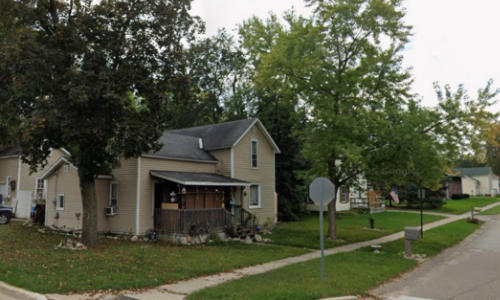
$148,500
Coloma, MI

$323,000
Keaau, HI
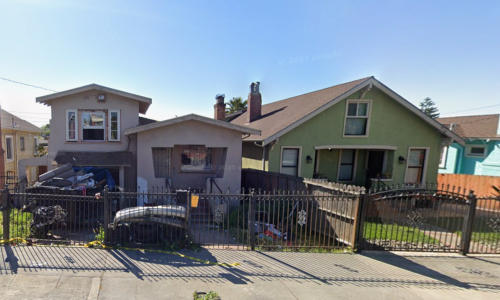
$378,000
Oakland, CA

$882,000
Rohnert Park, CA

$296,000
Pennsauken, NJ
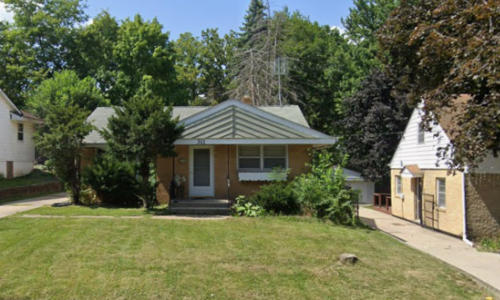
$121,800
Rockford, IL
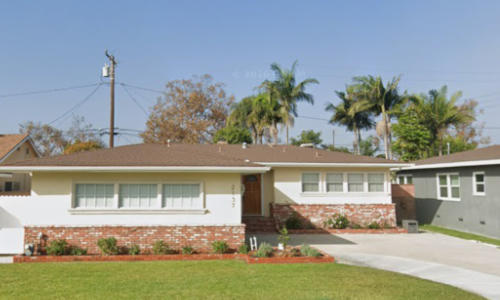
$900,000
Long Beach, CA
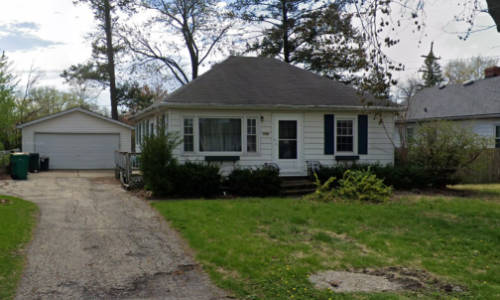
$184,500
Joliet, IL
Ready to start your fix and flip project?
New Silver can supply the capital you need to buy, renovate and resell properties for maximum profit
Get Approved OnlineFix and Flip Loans and Financing for Real Estate Investors
Buying a property with renovation potential can create an opportunity to increase its value, but turning that opportunity into a profitable investment takes more than finding the right house. Investors need financing that supports the purchase, renovation, and eventual resale without creating unnecessary delays or cash flow pressure.
Fix and flip loans provide short-term financing designed for investors who purchase properties, make improvements, and sell them for a profit. Unlike conventional mortgages, these loans focus on the investment property's value, the planned renovation, and the borrower's ability to complete the project.
At New Silver, we help real estate investors secure financing through a streamlined online lending process. Our fix and flip financing can cover property acquisition and eligible renovation expenses, with flexible funding structures that support projects from purchase through completion.
Whether you're preparing for your first renovation or managing several investment properties, understanding how these loans work can help you evaluate opportunities, manage borrowing costs, and make more confident investment decisions.
Fix and Flip Loans for Real Estate Investors
Fix and flip loans are short-term, property-backed loans used to purchase, renovate, and resell residential real estate. They are designed for investment properties rather than homes borrowers intend to occupy.
A typical project begins when an investor identifies a property that could increase in market value through improvements. The investor purchases the property, completes the necessary renovations, and sells it at a price intended to cover the project's expenses and generate a return.
The challenge is securing enough capital to complete each stage without committing more personal funds than necessary.
Fix and flip financing addresses this challenge by combining acquisition financing with funds for eligible renovations. Depending on the loan structure, investors can finance a substantial portion of the purchase and construction costs while retaining cash for other obligations.
How Fix and Flip Loans Work
A fix and flip loan is an asset-based, short-term financing option that considers the property and its investment potential alongside the borrower's financial qualifications.
The financing process generally follows five stages:
- Property evaluation: The investor identifies a suitable property and estimates its purchase price, renovation costs, and after-repair value.
- Loan application: The lender reviews the property, proposed improvements, borrower qualifications, and financing requirements.
- Purchase financing: Approved acquisition funds are provided at closing according to the loan agreement.
- Renovation funding: Construction funds are released through an established draw process as eligible work progresses.
- Loan repayment: The investor repays the outstanding balance through a property sale, refinance, or another approved source.
Because these projects have defined investment timelines, flip loans typically have shorter repayment periods than traditional residential mortgages.
New Silver offers fix and flip financing with terms of up to 18 months, subject to program eligibility and approval. This structure allows investors to coordinate renovation work with their expected property sale or refinance.
How Fix and Flip Financing Differs From a Traditional Mortgage
Conventional mortgage financing is generally designed for borrowers purchasing properties they intend to own over an extended period.
Fix and flip loans serve a different purpose. They accommodate investment properties that may require significant improvements before reaching their intended market value.
Traditional mortgage lenders can have stricter property-condition requirements, which may make financing a distressed or unfinished property more difficult.
Fix and flip lenders evaluate the property's existing condition, renovation scope, projected value, and planned exit.
These loans may also offer faster underwriting and closing processes, helping investors respond to opportunities where purchase timing matters.
However, the flexibility comes with different financial considerations. Shorter terms, higher financing costs, construction draw requirements, and the need for a reliable exit strategy make careful project planning essential.
New Silver Fix and Flip Loan Options
Real estate investments move quickly, particularly when attractive properties receive competing offers. Investors need financing that supports timely decisions without compromising their understanding of the loan terms.
New Silver combines private lending experience with technology that simplifies the financing process.
Our online platform allows investors to explore financing options, obtain preliminary loan terms, and prepare proof of funds without beginning with a lengthy traditional bank application.
Fix and Flip Loan Features
New Silver's published fix and flip financing features include:
- Loan amounts
- $100,000 to $5,000,000
- Interest rates
- 8.5% to 11%
- Origination fees
- 1 - 1.75%
- Loan-to-cost
- Up to 90%
- Loan-to-after-repair value
- Up to 75%
- Construction financing
- Up to 100% of eligible construction costs
- Loan term
- up to 18 months
- Minimum FICO score
- Generally 650
- Eligible property types
- Residential 1-4 units, condos, townhomes
Advertised terms are subject to underwriting, borrower qualifications, property eligibility, program availability, and change. Maximum financing percentages are not guaranteed for every transaction.
These financing options help investors evaluate projects according to their purchase costs, renovation needs, and anticipated resale value.
A borrower may qualify for a high percentage of construction financing while still needing funds for the acquisition contribution, closing expenses, carrying costs, and unexpected repairs.
Understanding these requirements before submitting an offer helps prevent financing gaps later in the project.
Fast Online Loan Approval
Speed can influence whether an investor secures a promising property.
New Silver's online application process is designed to provide preliminary loan information quickly. Eligible borrowers can receive an instant term sheet and proof-of-funds letter, helping them evaluate financing and prepare competitive purchase offers.
The application can take approximately five minutes to complete, although final underwriting, documentation, and closing take additional time.
Our technology-driven approach reduces unnecessary administrative steps while keeping borrowers informed about their financing options.
Financing for New and Experienced Investors
Real estate experience can affect loan approval and pricing, but investors do not always need an extensive renovation portfolio to apply.
New Silver offers financing opportunities for qualified first-time investors and experienced borrowers.
New investors may face additional credit, loan-size, or documentation requirements. They should be prepared to present detailed renovation plans, credible property valuations, and sufficient available capital.
Experienced investors can use their completed projects and established renovation processes to demonstrate their ability to manage future investments.
New Silver also offers discounts for eligible repeat borrowers, supporting investors who regularly acquire and renovate properties.
What Can Fix and Flip Loans Finance?
A successful renovation requires funding beyond the initial purchase price. Investors must account for improvements, financing expenses, and the costs of owning a property while work is underway.
Fix and flip financing is designed to help coordinate these needs, although the expenses covered depend on the approved loan structure.
Property Acquisition Costs
Acquisition financing helps investors purchase properties they intend to improve and resell.
The initial loan advance is typically determined by the property's purchase price, value, eligible project costs, and underwriting requirements.
Investors should understand how much cash they need to contribute at closing before entering a purchase agreement.
Depending on the transaction, that contribution may include part of the acquisition price, closing costs, lender fees, and other upfront expenses.
Renovation and Construction Expenses
Renovations are central to the fix and flip investment strategy.
Eligible improvements may include kitchens, bathrooms, flooring, roofing, electrical systems, plumbing, and other work necessary to improve the property's condition or marketability.
The lender evaluates the proposed renovation budget and determines how much construction financing can be approved.
New Silver offers up to 100% financing for eligible construction costs, subject to overall loan limits and underwriting.
This does not mean every borrower receives a loan covering the entire project or that renovation funds are necessarily available upfront.
A detailed construction budget and draw schedule remain important for managing the work.
Holding Costs and Cash Reserves
Even when the purchase and renovations are substantially financed, investors need cash to support the property during the project.
Holding costs may include property taxes, insurance, utilities, interest payments, maintenance, and other ownership expenses.
Some financing structures allow certain project costs or reserves to be included, but borrowers should not assume all holding expenses will be funded by the lender.
Maintaining sufficient liquidity helps protect the investment when repairs take longer than expected or the property remains on the market.
Why Real Estate Investors Choose New Silver
Securing investment property financing should help investors move forward with a clear understanding of their options.
New Silver was founded to improve access to fast, convenient, and flexible capital for real estate investors.
Our technology-driven approach combines online lending tools, property insights, and an experienced financing team to support borrowers throughout the investment process.
- Preliminary terms and proof of funds online
- Up to 90% loan-to-cost
- Up to 100% construction financing
- New and experienced investors
- Dedicated support and repeat-borrower discounts
Terms are subject to underwriting, borrower qualifications and property eligibility.
Technology That Simplifies Financing
Our real-time pricing technology allows eligible investors to obtain preliminary financing terms and proof of funds online.
Instead of waiting through an extended preliminary review, borrowers can evaluate loan options and prepare for opportunities more efficiently.
The streamlined process helps reduce unnecessary paperwork while maintaining the underwriting necessary to evaluate each transaction.
Financing Designed Around Investment Properties
Our fix and flip products are structured specifically for real estate investment projects.
We offer financing for eligible property purchases, renovations, and refinance-and-rehab transactions.
With up to 90% loan-to-cost and up to 100% construction financing available for qualifying projects, investors can explore funding options that align with their acquisition and renovation requirements.
Support for Different Investor Experience Levels
New Silver works with qualified new and experienced real estate investors.
Whether you're evaluating your first potential flip or managing a growing portfolio, our lending team can help you understand the application process and available financing options.
We also provide dedicated support throughout the lending process and offer eligible repeat borrowers access to loyalty discounts.
Data-Driven Property Research
Finding the right investment is as important as finding the right financing.
Our FlipScout platform gives investors access to property research tools and quantitative insights that can support investment decisions.
By combining property analysis with online financing resources, New Silver helps investors approach potential transactions with greater clarity.
Get Started With New Silver Fix and Flip Financing
A promising renovation opportunity requires a realistic budget, reliable funding, and a clear plan for turning improvements into investment returns.
New Silver helps real estate investors move from property evaluation to financing through an efficient online process designed around active investment projects.
Whether you're purchasing a property that needs significant repairs, financing renovations on an existing investment, or preparing for your next flip, our team can help you explore available lending options.
Apply online to get your preliminary fix and flip loan terms and discover how New Silver can support your next real estate investment.
Fix and Flip Loan Requirements
Although investment property financing can be more flexible than traditional mortgage lending, borrowers must still demonstrate that the proposed project is financially viable.
Lenders evaluate the property, investor qualifications, available capital, and repayment likelihood.
Approval requirements vary by program, leverage, and borrower experience.
Credit Score and Financial History
Credit history remains an important consideration for fix and flip loan approval.
New Silver generally requires a minimum FICO score of 650 for its fix-and-flip program.
A qualifying credit score alone does not guarantee approval.
Lenders also evaluate other factors, including liquidity, existing obligations, the proposed property, and the strength of the investment plan.
Real Estate Investment Experience
Prior renovation experience can help demonstrate a borrower's ability to manage contractors, budgets, permits, and property sales.
An investor who has completed several successful projects may present a different risk profile from someone attempting their first renovation.
However, New Silver provides financing options for qualified borrowers without previous fix and flip experience.
First-time investors should support their application with realistic contractor estimates, a defined construction schedule, and sufficient financial reserves.
Property Condition and After-Repair Value
The property's current condition and expected value after renovation are central to the lending decision.
Lenders evaluate the purchase price, location, necessary improvements, and comparable property sales.
The goal is to understand whether the proposed work can reasonably support the projected resale value.
Properties with extensive structural problems, unusual characteristics, or uncertain market demand may require additional review.
Depending on the financing program, the lender may require an appraisal or another acceptable property valuation.
Cash Reserves and Liquidity
Borrowers generally need access to funds beyond the approved loan proceeds.
Cash may be required for the down payment, fees, contractor deposits, unexpected repairs, and carrying expenses.
A project that uses nearly all available capital at closing can become difficult to manage when construction costs increase.
Lenders therefore assess whether an investor can meet financial obligations throughout the loan term.
LLC and Business Entity Requirements
Many fix and flip investments are financed through limited liability companies or other eligible business entities.
Using an LLC can provide a structure for purchasing and managing investment properties, although it does not automatically eliminate personal financial responsibility.
Lenders may require borrowers to provide entity formation documents, ownership information, and authorization to borrow.
Personal guarantees may also be required.
Investors should confirm the appropriate borrowing structure and review any legal or tax implications with qualified professionals.
What Are Fix and Flip Loan Requirements?
Buying a property to renovate and resell can be a profitable real estate investment, but securing the right financing helps make the numbers work. Before approving a project, lenders need to understand the borrower, the property's potential, and whether the renovation can be completed within a realistic budget and timeline.
So, what are fix and flip loan requirements? Although qualifications vary by lender, they typically include a minimum credit score, sufficient cash reserves, an eligible investment property, a detailed renovation budget, and a clear repayment strategy. Understanding these requirements before making an offer can help you identify suitable properties, prepare your financing application, and avoid delays that could put a promising investment at risk.
Loan Requirements at a Glance
| Credit and experience | Lenders assess credit history, financial capacity, and previous real estate investment experience. |
|---|---|
| Property eligibility | The property's type, location, condition, and projected after-repair value (ARV) influence financing decisions. |
| Cash requirements | Investors generally need money for their contribution, closing expenses, and unforeseen costs. |
| Renovation planning | A realistic scope of work, contractor estimates, and project timeline help demonstrate feasibility. |
| Loan structure | Interest rates, financing limits, construction draws, and repayment terms affect the total investment. |
| Exit strategy | Lenders need confidence that the property can be sold or refinanced before the loan matures. |
Understanding Fix and Flip Loans and How They Work
Fix-and-flip loans are short-term financing products designed for real estate investors purchasing properties that need repairs or improvements before resale. Unlike traditional mortgages, which generally support long-term property ownership, these loans are structured around a renovation project and its anticipated completion date. They may finance both acquisition and improvement expenses, reducing the amount of capital an investor needs to provide upfront.
The financing process typically involves purchasing an eligible property, completing the planned improvements, and repaying the loan when the renovated property sells. Some investors instead refinance into longer-term financing if their investment strategy changes.
Most fix and flip loans are asset-based, meaning lenders place considerable emphasis on the property's value and the financial strength of the proposed project. The borrower's creditworthiness, available capital, and experience still matter. These loans can be useful when a property requires substantial work that makes conventional financing difficult. They may also serve a similar purpose to bridge loans by providing temporary capital until a sale or longer-term financing becomes available.
Before selecting a lender, investors should understand how acquisition funding, renovation draws, interest payments, and final repayment fit into their project.
Credit Score, Experience, and Borrower Qualifications
Lenders need confidence that an investor can manage the financial responsibilities of a renovation project. Their assessment goes beyond the property's expected resale value to consider credit history, previous projects, liquidity, and the ability to manage construction.
Credit Score Requirements
A credit score gives lenders insight into how a borrower has managed existing financial obligations. For New Silver's fix and flip program, the minimum FICO score is 650. These distinctions matter because meeting a lender's advertised minimum does not automatically make a borrower eligible for every loan program.
Previous Investment Experience
Experienced investors may qualify for more favorable financing options because their completed projects demonstrate familiarity with renovation schedules, budgeting, and property sales. First-time investors are not automatically excluded. New Silver's first-time investor financing allows eligible borrowers to apply without previous completed flips.
A newcomer can strengthen a proposed deal by working with qualified contractors, preparing accurate cost estimates, and maintaining sufficient cash reserves.
Financial Capacity and Income Verification
Income verification requirements differ between traditional mortgages and asset-based investment loans. Conventional lenders often rely heavily on employment income and debt-to-income ratios, while fix-and-flip lenders may place greater emphasis on the investment property's value and the borrower's ability to complete the project.
Investors should still expect lenders to review their overall financial position. Bank statements, available reserves, existing obligations, and business documentation may be necessary to establish financial readiness. A strong application shows that an investor can manage expenses throughout the project, not simply afford the initial property purchase.
Eligible Property Requirements for Fix and Flip Financing
The property itself is central to the approval process. Lenders assess whether the building is suitable for renovation, whether the proposed improvements are realistic, and whether its expected value supports the requested financing.
Common eligible property types include:
- Single-family homes
- Residential properties containing two to four units
- Condos
- Townhomes
New Silver offers fix and flip financing for these residential property categories, subject to its underwriting requirements. Property location also matters. Local market demand, comparable sales, construction conditions, and the availability of qualified contractors can influence an investment's risk profile. A property in an established residential market with strong comparable sales may be easier to evaluate than an unusual building with limited resale data.
Property Condition and Renovation Feasibility
A distressed property can present an attractive investment opportunity, but extensive repairs require careful planning. Structural problems, outdated electrical systems, water damage, foundation issues, or major layout changes can significantly affect the renovation budget. Lenders may request property photographs, inspections, contractor estimates, or an appraisal to assess the extent of the work.
An eligible property should have a renovation plan that reasonably supports its expected value after improvements. Investors should identify major repair needs before committing to the purchase whenever possible, helping prevent unexpected construction expenses from reducing the project's financial viability.
Purchase Price, Renovation Budget, and After-Repair Value
Even an experienced borrower with good credit may struggle to secure financing if the proposed investment does not make financial sense. Lenders need to understand the relationship between the purchase price, renovation costs, and expected resale value. These figures determine how much capital may be available and how much the investor needs to contribute.
Calculating After-Repair Value (ARV)
After-repair value represents the estimated market value of a property once the planned improvements are complete. Investors generally estimate ARV by reviewing recently sold properties with similar characteristics, including location, size, condition, and amenities.
The numbers in this example are made up to show how the calculation works. They are not New Silver rates, limits or offers.
For example, a property purchased for $200,000 might require $50,000 in renovations and have a projected ARV of $290,000. That creates a potential difference between the acquisition and renovation costs and the expected resale price, but the difference is not the investor's profit. Financing charges, taxes, insurance, utilities, selling expenses, and other holding costs must also be deducted.
An optimistic ARV can make an otherwise weak investment appear attractive. Using realistic comparable sales helps investors avoid overestimating their potential returns.
Understanding Loan-to-Cost and Loan-to-Value Limits
Two financing measurements are particularly useful when evaluating a loan:
- Loan-to-cost (LTC): Compares the loan amount with the property's eligible acquisition and renovation costs.
- Loan-to-ARV: Compares the financing amount with the property's projected value after improvements.
New Silver offers up to 90% LTC and up to 75% of ARV for its fix and flip product. Using the previous example, 90% of the $250,000 total cost is $225,000, while 75% of the $290,000 ARV is $217,500.
In this simplified example, the lower ARV-based limit determines the maximum financing amount. The investor would need to cover the difference, along with applicable transaction expenses and other required reserves. Actual financing is subject to lender underwriting, property valuation, borrower qualifications, and program limits.
Down Payments, Cash Reserves, and Renovation Costs
One common misunderstanding is that financing the full renovation budget eliminates the need for personal capital. Although some lenders offer substantial construction financing, investors still need to account for expenses that are not included in the loan. New Silver offers financing for up to 100% of eligible construction costs under its fix and flip program, but that does not mean every borrower receives 100% financing for the entire project.
Cash Required Before Closing
Investors should calculate the funds needed to cover:
- The required borrower contribution toward the property purchase
- Origination fees and other closing expenses
- Property inspections, valuations, and insurance
- Initial project expenses not immediately reimbursed through construction draws
- Contingency reserves for unexpected repairs
The amount required varies according to the loan structure, financing limits, and the investor's qualifications.
Planning for Holding Costs
Renovation expenses do not stop at labor and materials. While the property is being improved and marketed, investors may also need to pay insurance premiums, property taxes, utility bills, loan interest, and maintenance expenses. A delayed inspection or contractor scheduling problem can extend these costs beyond the original estimate. Holding sufficient reserves helps protect the project when renovation work takes longer than expected.
Investors should also understand how construction funding is released. Rather than receiving the entire rehabilitation budget at closing, borrowers may receive funds through draws as work is completed. Confirming the draw process before purchasing a property helps align financing with contractor payment schedules.
Interest Rates, Loan Terms, and Financing Costs
The advertised interest rate is only one component of a fix and flip loan's overall cost. Investors should evaluate financing terms alongside their expected renovation schedule, holding expenses, and potential profit margin.
Interest Rates and Origination Fees
Fix-and-flip financing generally carries higher borrowing costs than traditional long-term residential mortgages because it involves shorter repayment periods and renovation-related risks. New Silver's published fix and flip product information lists interest rates of 8.5% to 11% and origination fees of 1 - 1.75%.
These figures are advertised program terms, not firm offers. Actual pricing depends on the borrower, project, and applicable lending conditions. Investors should also review underwriting charges, closing costs, and potential extension fees before accepting a loan.
Repayment Periods and Interest-Only Payments
Fix and flip financing is designed to be temporary. New Silver advertises terms of up to 18 months on its main fix and flip product page, although specific programs may have different maturities and extension options. Its lending products also offer interest-only payments, allowing borrowers to manage ongoing interest obligations during the renovation period. The principal generally becomes due when the loan matures or the property is sold or refinanced.
Investors should align the loan term with the complete project timeline, including acquisition, permitting, construction, inspections, listing, and closing. Choosing a term based only on the expected construction duration can leave insufficient room for the eventual sale.
Evaluating the Total Cost of Financing
Before accepting an offer, calculate the combined cost of interest, lender fees, construction draw expenses where applicable, and potential extensions. A slightly lower rate may not produce the lowest overall cost if other fees are substantially higher. Comparing the full financing structure helps investors determine whether a proposed loan supports their expected investment returns.
How to Improve Your Chances of Loan Approval
Meeting basic loan qualifications matters, but the quality of the proposed investment can also influence the financing decision. A realistic property acquisition, accurate budgeting, and clear repayment plan can make an application stronger.
Start With a Financially Viable Property
Evaluate comparable sales, neighborhood demand, renovation needs, and potential resale value before making an offer. Avoid relying on aggressive price appreciation or unusually optimistic construction estimates to justify an investment. The projected profit margin should allow for reasonable changes in construction expenses and the sales timeline.
Build a Reliable Renovation Plan
Experienced contractors can help investors establish realistic budgets, identify construction challenges, and estimate project completion dates. Written estimates are particularly valuable for borrowers undertaking their first flip. Include contingency funds for unforeseen repairs and consider the time required for permits and inspections.
Prepare a Clear Exit Strategy
Lenders need to understand how the loan will be repaid. For most fix and flip projects, the primary exit strategy is selling the renovated property. Some investors may instead consider refinancing when they intend to retain the property as a rental investment. Whichever approach is selected, the expected repayment date should fit the loan's maturity and the project's financial assumptions.
Get Fix and Flip Financing With New Silver
Securing financing should help you move forward with a promising investment, not create unnecessary obstacles between finding a property and closing the deal. New Silver provides technology-driven real estate financing designed for investors purchasing, renovating, and reselling residential properties.
Its fix and flip loans offer up to 90% loan-to-cost financing, up to 100% eligible construction funding, and loan amounts reaching $5,000,000 for qualifying borrowers. First-time investors can also consider financing options under New Silver's dedicated program, subject to its credit, loan amount, and property requirements.
The online application provides automated underwriting, an instant term sheet, and proof of funds for eligible applicants. New Silver's lending team can then help borrowers review the financing details and move toward closing. Whether you're preparing for your first renovation or evaluating another investment opportunity, understanding the available financing can make the acquisition process more efficient.
Review New Silver's fix and flip loans and apply online to see the financing options available for your next real estate investment.
How to Qualify for a Fix and Flip Loan
Buying a property below market value and renovating it for resale can create an attractive investment opportunity. However, securing financing requires more than finding a promising house. Lenders need confidence that the purchase, renovation, and repayment plan make financial sense.
Understanding how to qualify for a fix and flip loan starts with knowing what lenders evaluate. Most consider your credit history, available funds, investment experience, purchase price, renovation budget, and the property's projected after-repair value (ARV).
Unlike traditional mortgages, fix and flip loans focus heavily on the investment itself. While your financial background matters, the property's condition, potential resale value, and realistic renovation timeline can significantly influence the lending decision.
Whether you're an experienced investor or preparing for your first renovation, understanding these requirements can help you present a stronger application and avoid unnecessary delays.
Understanding Fix and Flip Loan Qualifications
A fix and flip loan provides short-term financing for purchasing, renovating, and reselling an investment property.
Unlike a conventional mortgage, which generally supports long-term ownership, this financing is structured around a renovation project with a defined repayment timeline.
Lenders may finance both the acquisition and eligible repair expenses, allowing investors to complete improvements before selling the property.
Approval depends on more than the borrower's ability to make monthly payments. The lender must also evaluate whether the investment is financially viable.
The main qualification factors include:
| Borrower creditworthiness | Credit history, existing obligations, and financial reliability. |
|---|---|
| Available capital | Funds for the required equity contribution, closing expenses, and ongoing project costs. |
| Investment experience | Previous completed renovations and the ability to manage construction. |
| Property eligibility | The building's condition, location, and suitability for renovation. |
| Project financials | Acquisition costs, renovation expenses, and projected after-repair value. |
| Repayment strategy | A realistic plan to sell or refinance before the loan matures. |
These factors work together during underwriting.
An investor with substantial experience may still struggle to qualify if the proposed acquisition price is too high or the renovation budget is unrealistic.
Likewise, a first-time flipper may present a compelling opportunity when the property is appropriately priced and supported by accurate estimates.
New Silver offers business-purpose financing specifically for real estate investors, including eligible first-time borrowers.
Understanding the lender's requirements before making an offer helps establish whether a particular opportunity is suitable for financing.
Credit Score, Cash Reserves, and First-Time Flipper Requirements
Your financial profile remains important even when financing is primarily secured by an investment property.
Lenders want evidence that you can manage borrowing obligations and maintain sufficient capital throughout the renovation.
Credit Score Requirements
A credit score helps lenders evaluate your history of managing financial commitments. There is no universal minimum score across every fix and flip lender. However, individual programs establish their own eligibility thresholds.
New Silver generally requires a minimum FICO score of 650.
A higher credit score may also help borrowers access more competitive pricing or financing options. However, meeting the minimum requirement does not guarantee approval. Property valuation, available funds, investment experience, and other underwriting considerations remain relevant. Investors with credit challenges should review their credit reports, address inaccuracies, and evaluate whether their financial position meets the intended lender's requirements.
Depending on the program, an eligible co-borrower or guarantor with stronger qualifications may also help.
Cash Reserves and Financial Capacity
Even when financing covers a substantial portion of the acquisition and renovation expenses, borrowers generally need their own capital. Investors should prepare for the required down payment, closing costs, origination fees, and expenses not immediately covered by construction funding.
Additional reserves are important because renovation projects rarely proceed without unexpected costs. Hidden plumbing problems, permit delays, or increased material prices can affect the project budget. Sufficient cash reserves allow the work to continue without immediately creating financial pressure.
Can a First-Time Flipper Qualify?
Previous house-flipping experience can strengthen an application, but it is not always mandatory. New Silver offers a dedicated first-time investor pathway for eligible property purchases.
New investors can improve their preparation by working with qualified contractors, obtaining detailed repair estimates, and researching local resale conditions.
A knowledgeable project team cannot replace every lender requirement, but it can help demonstrate that the renovation has been carefully planned.
Property Information and Renovation Costs That Lenders Review
The property itself plays a central role in determining eligibility. A borrower may have excellent credit and adequate financial reserves, but financing can still be declined if the building does not meet the lender's requirements. Lenders typically evaluate the property's type, location, condition, and expected market value after improvements.
Eligible Investment Properties
Common property types for fix and flip financing include:
- Single-family homes
- Residential properties containing two to four units
- Condos
- Townhomes
New Silver's standard program supports these property categories, subject to underwriting and applicable restrictions. However, properties in rural locations or with unusual characteristics may not qualify under certain programs. Before submitting a loan request, confirm that the property type and location satisfy the lender's guidelines.
Preparing a Detailed Renovation Budget
Lenders need to understand exactly what improvements are planned and how much they are expected to cost. A renovation budget should separate work into specific categories rather than presenting a single estimated total. These may include roofing, plumbing, electrical systems, kitchens, bathrooms, flooring, exterior improvements, and structural repairs.
Contractor bids can provide valuable support for the estimated expenses. For larger projects, lenders may also examine permit requirements, construction schedules, and whether the investor has sufficient experience to manage the work.
A realistic budget should include a contingency allowance for unexpected expenses.
Understanding After-Repair Value
After-repair value, or ARV, represents the property's estimated market value once renovations are completed. Lenders use ARV to determine whether the expected value supports the requested financing. Investors should estimate ARV using recent sales of comparable properties with similar locations, sizes, features, and renovated conditions. Relying on the highest listing price in the neighborhood can produce unrealistic projections.
A well-supported ARV demonstrates that the proposed improvements are appropriate for the local real estate market. This analysis also helps investors avoid paying too much for a property relative to its potential resale value.
How Loan Structure and Financing Limits Affect Approval
Qualifying for a loan involves more than meeting borrower and property requirements. The requested financing amount must also fit the lender's leverage limits.
Two common calculations are loan-to-cost (LTC) and loan-to-after-repair value.
Loan-to-Cost Explained
The numbers in this example are made up to show how the calculation works. They are not New Silver rates, limits or offers.
LTC compares the proposed financing amount with eligible acquisition and renovation costs. For example, an investor purchasing a property for $200,000 and budgeting $50,000 for improvements has a total acquisition and renovation cost of $250,000. At 90% LTC, the maximum financing based on that calculation would be $225,000. However, another limitation may reduce the amount available.
Loan-to-ARV Explained
Loan-to-ARV compares the financing amount with the property's projected value after renovations.
If the same property has an ARV of $290,000, a 75% loan-to-ARV limit would produce a maximum of $217,500.
The lender may use the lower financing amount when determining eligibility.
| Financing Factor | Example |
|---|---|
| Purchase price | $200,000 |
| Renovation budget | $50,000 |
| Total acquisition and renovation cost | $250,000 |
| Estimated after-repair value | $290,000 |
| Maximum at 90% LTC | $225,000 |
| Maximum at 75% ARV | $217,500 |
| Lower financing limit | $217,500 |
In this example, the ARV limitation determines the maximum potential loan amount.
If the complete $50,000 construction budget is reserved for renovation draws, the remaining $167,500 would be available toward the acquisition, subject to underwriting and loan terms. The investor would need to contribute the balance required for the purchase, along with applicable fees and other expenses.
Comparing Loan Terms and Costs
Before choosing a financing program, review interest rates, origination fees, repayment periods, and construction draw requirements.
Actual pricing depends on the transaction and underwriting.
Investors should evaluate the complete cost of borrowing instead of comparing interest rates alone.
Building a Realistic Exit Strategy Before Applying
A lender needs confidence that the short-term financing will be repaid when required. For this reason, a clear exit strategy is an essential part of the application. Most investors plan to sell the renovated property, although refinancing into longer-term rental financing may also be an option.
Selling the Property After Renovation
For a traditional fix and flip investment, the primary repayment strategy is selling the improved property. The projected sale price should be supported by recent comparable transactions and current local demand.
Investors should also research how long similar homes typically remain on the market.
A realistic schedule should account for renovation work, inspections, listing preparation, buyer negotiations, and closing.
Selling expenses and ongoing holding costs must be included when calculating potential returns.
If the resale price falls below expectations or the property takes longer to sell, the profit margin can narrow considerably.
Refinancing Into a Rental Property
Some investors decide to retain the completed property and generate rental income. In this situation, a longer-term rental loan may replace the original short-term financing. However, refinancing requires separate qualification.
The completed property's value, expected rental income, credit requirements, and available loan products all influence eligibility. Investors considering this strategy should investigate refinancing options before the original loan approaches maturity.
Preparing for Unexpected Changes
Even a carefully selected property can encounter challenges. Construction costs may increase, local market conditions may change, or the renovation may take longer than expected.
A backup plan could involve adjusting the sale price, pursuing eligible refinancing, or evaluating another disposition strategy. Any alternative must be financially feasible and consistent with the lender's repayment requirements.
A strong exit strategy demonstrates that the investor has considered both the expected outcome and potential obstacles.
Steps Needed for the Loan Application
How to Prepare a Stronger Application
Follow these steps before submitting your financing request:
- Confirm basic eligibility. Review credit requirements, available cash, previous experience, and eligible property types.
- Evaluate the investment. Compare the purchase price and renovation expenses with a supportable ARV.
- Obtain contractor estimates. Prepare an itemized scope of work and realistic completion schedule.
- Calculate your required contribution. Account for financing limits, closing expenses, and reserves.
- Establish the repayment strategy. Explain whether the property will be sold or refinanced.
- Compare lender terms. Review pricing, draw procedures, repayment requirements, and potential extension options.
These steps help investors identify weaknesses in a proposed project before committing to a purchase.
Applying Through New Silver
New Silver offers an online application process designed to help investors assess financing opportunities quickly.
You do not need to upload any documents to start an application.
Eligible applicants can receive preliminary loan terms and proof-of-funds documentation through its automated underwriting platform. The company also allows prospective borrowers to begin the application process before establishing an LLC, although an eligible business entity is required for closing.
Final approval remains subject to underwriting, property eligibility, and completion of the lender's closing requirements.
Explore Fix and Flip Financing With New Silver
Understanding qualification requirements can help investors approach renovation opportunities with greater confidence.
A strong application demonstrates more than the ability to obtain financing. It shows that the property, renovation plan, available capital, and repayment strategy work together.
New Silver provides technology-driven real estate financing for investors purchasing, renovating, and reselling eligible residential properties.
Its fix and flip programs offer financing for acquisition and eligible construction expenses, with options for qualifying experienced and first-time investors.
New Silver's streamlined application process allows borrowers to review preliminary loan terms online and obtain proof of funds when eligible.
Whether you're evaluating your first property or preparing for another renovation, understanding your financing options before making an offer can help you plan more effectively.
Explore New Silver's fix and flip loans and start an online application to see what financing may be available for your next real estate investment.
How Much Can You Borrow With a Fix and Flip Loan?
The amount available for a renovation project depends on more than the purchase price.
Lenders commonly evaluate the relationship between acquisition costs, renovation expenses, and projected property value.
Two important measures are loan-to-cost and loan-to-after-repair value.
Loan-to-Cost Explained
Loan-to-cost, or LTC, compares the approved financing with the eligible total project cost.
The numbers in this example are made up to show how the calculation works. They are not New Silver rates, limits or offers.
For example, consider a property purchased for $200,000 with an approved renovation budget of $50,000.
The total eligible acquisition and renovation cost is $250,000.
At 90% LTC, the theoretical financing limit would be $225,000.
However, this is only one underwriting measure. The actual loan may be lower based on after-repair value, property eligibility, borrower qualifications, or other program requirements.
Loan-to-After-Repair Value Explained
After-repair value, or ARV, estimates what a property could be worth once the planned renovations are completed.
Lenders use this figure to evaluate the relationship between the requested financing and the property's projected finished value.
The numbers in this example are made up to show how the calculation works. They are not New Silver rates, limits or offers.
Suppose the property in the previous example has an estimated ARV of $300,000.
At 75% of ARV, the financing limit would also be $225,000.
If the estimated ARV were only $280,000, the 75% ARV limit would be $210,000.
Even though 90% LTC would indicate a higher amount, the lower ARV-based limit could restrict financing.
This is why investors should evaluate both the purchase and construction costs and the property's realistic resale value.
How Much Do You Need for a Down Payment?
The required cash contribution depends on the project's financing limits and the lender's underwriting decision.
Higher leverage may reduce the amount needed toward eligible acquisition and renovation expenses, but it does not eliminate closing costs, reserves, or other borrower obligations.
Investors researching no-money-down fix and flip loans should distinguish between financing a high percentage of eligible costs and financing every project expense.
New Silver's advertised loan-to-cost maximum is 90%, not a universal promise of 100% project financing.
Borrowers should review the actual term sheet to determine their expected cash requirement.
Fix and Flip Loan Rates and Financing Costs
Financing costs directly affect how much profit an investor keeps when the property sells.
A lower interest rate can be attractive, but it is only one part of the borrowing expense.
When comparing flip loans, investors should examine the full financing structure rather than concentrating on the advertised rate.
Interest Rates and Monthly Payments
New Silver offers fix and flip interest rates ranging from 8.5% to 11%, with actual pricing determined by the transaction and borrower profile.
Its financing also offers interest-only payments during the loan term.
With an interest-only structure, scheduled payments generally cover accrued interest rather than reducing the principal balance.
The outstanding principal must still be repaid according to the loan agreement, usually when the property is sold or refinanced.
Borrowers should confirm how interest is calculated, whether it applies to drawn or committed funds, and what happens if the project continues beyond the original term.
Origination Fees and Closing Expenses
Origination fees compensate the lender for arranging and processing financing.
New Silver's fix and flip origination range is 1 - 1.75%, subject to applicable pricing and loan terms.
Other potential expenses may include appraisal fees, title services, legal or recording charges, insurance, and construction draw-related costs.
Some loans may also include extension charges or other contractual fees.
Review these expenses before closing so they can be incorporated into the investment budget.
Why the Total Cost Matters
Consider two financing offers with different interest rates and upfront fees.
A lower-rate loan may appear cheaper, but higher origination charges or unfavorable draw requirements could offset some of the savings.
Similarly, a loan with higher interest costs may still offer value when its terms better support a project's funding schedule.
The right comparison considers total estimated borrowing expense, repayment flexibility, and the financing needed to complete the renovation.
Investors should calculate costs using the expected holding period rather than assuming the loan will remain outstanding for its maximum term.
How to Calculate Fix and Flip Project Profitability
A successful property flip starts with a realistic assessment of the numbers.
Financing can help an investor acquire and improve a property, but it cannot turn an overpriced purchase or poorly planned renovation into a profitable project.
Before borrowing, estimate every major expense and compare the result with a defensible resale price.
Estimate the After-Repair Value
Start by examining recently sold properties that resemble the renovated home.
Relevant comparisons include location, square footage, age, property condition, layout, and finished quality.
Active listings may provide useful market context, but completed sales generally offer stronger evidence of what buyers have paid.
Avoid assuming the highest neighborhood sale automatically establishes a reliable ARV.
The proposed renovation should also match local buyer expectations. Premium finishes may not generate an equivalent increase in resale value in every market.
Build a Complete Renovation Budget
Develop a line-item budget using property inspections, contractor estimates, and the intended construction scope.
Include visible repairs as well as reasonable allowances for issues that may become apparent after demolition.
Older properties can contain concealed plumbing problems, outdated electrical systems, water damage, or structural concerns.
Where applicable, account for permits, inspections, material delivery, and contractor availability.
A contingency reserve provides additional protection against costs that were not fully apparent during the initial assessment.
Calculate the Potential Profit
The numbers in this example are made up to show how the calculation works. They are not New Silver rates, limits or offers.
Consider an illustrative investment with the following expenses:
| Project Expense | Estimated Amount |
|---|---|
| Property purchase | $200,000 |
| Renovation | $50,000 |
| Acquisition closing costs | $5,000 |
| Financing costs | $15,000 |
| Taxes, insurance, utilities, and other holding costs | $6,000 |
| Selling expenses | $20,000 |
| Contingency allowance | $10,000 |
| Total estimated project costs | $306,000 |
If the renovated property sells for $350,000, the estimated profit would be $44,000 before income taxes and any additional unplanned expenses.
This simplified example illustrates why investors must account for costs beyond the acquisition and renovation budget.
It also demonstrates how quickly profit can change when resale prices or construction expenses shift.
Stress-Test the Investment
A project should remain financially manageable when conditions differ from the original assumptions.
Consider what happens if renovations take another month, repairs exceed the budget, or the property sells below the anticipated price.
For example, a $15,000 reduction in the selling price would lower the illustrative profit from $44,000 to $29,000, assuming all other expenses remained unchanged.
A longer holding period could reduce the return further through additional interest, insurance, taxes, and utilities.
Testing these scenarios helps investors determine whether the potential profit adequately compensates for the project's risks.
Choosing the Right Fix and Flip Financing Option
Not every investor needs the same financing structure.
The appropriate option depends on the property, funding requirements, renovation complexity, available equity, and intended repayment strategy.
Hard Money Fix and Flip Loans
Hard money loans are commonly used for investment properties that require improvements and must be purchased within a competitive timeframe.
These loans emphasize the underlying real estate and proposed investment rather than relying exclusively on traditional income-based mortgage underwriting.
They can be useful when a property does not meet conventional financing requirements or when an investor needs an efficient approval process.
New Silver's hard money financing is designed for these acquisition and renovation scenarios.
Bridge Financing
Bridge loans provide temporary financing while an investor transitions between acquisition, improvement, sale, or longer-term financing.
They may be appropriate when timing is important and the investor has a defined exit.
However, bridge financing does not automatically include construction funds.
Borrowers should confirm whether renovation expenses are eligible and whether the loan term matches the project's expected completion date.
Private Lending
Private financing can come from specialized lenders or individual capital providers.
Loan structures vary widely, including interest rates, available leverage, documentation requirements, and repayment arrangements.
Investors should compare the lender's experience, transparency, funding reliability, and contractual terms.
The availability of capital matters, but so does understanding precisely when that capital will be accessible.
Traditional Bank Financing
Some investors may qualify for bank financing through investment property or business lending programs.
These options can be worth reviewing when the property meets underwriting standards and the anticipated closing schedule allows sufficient time.
However, properties requiring substantial renovation may not qualify for conventional mortgage financing in their existing condition.
Borrowers should compare the approval process, required documentation, costs, and renovation funding provisions before choosing a lender.
Refinancing an Existing Investment Property
Investors who already own a property may seek financing for renovations rather than a new purchase.
New Silver offers fix and flip financing for eligible purchase-and-rehab and refinance-and-rehab transactions.
This can provide an option for property owners looking to improve an existing investment before selling or transitioning to longer-term financing.
Refinance eligibility depends on the property, ownership history, borrower experience, and applicable program requirements.
How Renovation Funding and Draws Work
Financing the renovation is different from receiving the entire construction budget at closing.
Many fix and flip loans use a draw system in which funds are held in reserve and released as approved work progresses.
This arrangement helps the lender monitor construction activity while providing financing for completed renovation stages.
Understanding Construction Draws
A construction draw is a disbursement of approved renovation funds.
For example, an investor may complete demolition and framing before requesting reimbursement for that stage of the project.
The lender may review photographs, invoices, inspection reports, or other documentation before authorizing the release.
The precise process depends on the lender and loan agreement.
Investors should confirm whether draws are reimbursement-based, when inspections are required, and how long approved payments generally take.
Planning for Contractor Payments
Contractors often require deposits or payments before an entire renovation stage is complete.
If the loan reimburses costs after work has been performed, investors may need sufficient working capital to cover expenses between draws.
This distinction can affect material orders, contractor scheduling, and the overall renovation timeline.
Before construction begins, coordinate the payment schedule with the approved draw requirements.
A realistic cash flow plan should account for the timing of major purchases, subcontractor invoices, and potential inspection delays.
Avoiding Construction Funding Delays
A clearly defined scope of work makes renovation financing easier to manage.
Investors should establish the work sequence, construction milestones, estimated costs, and responsibilities before closing.
Unexpected work may still arise, particularly when renovating older or distressed properties.
If changes affect the approved budget, discuss them with the lender rather than assuming additional funds will be available.
Strong project management helps keep renovation spending aligned with both the construction schedule and available financing.
How to Apply for a Fix and Flip Loan
Preparing the necessary information before applying can make the financing process more efficient.
Although we offer a streamlined online application, borrowers should approach the transaction with a clearly developed investment plan.
Step 1: Identify a Suitable Property
Begin with a property that meets your investment objectives and the lender's eligibility requirements.
Evaluate its location, physical condition, market demand, and potential value after renovation.
New Silver's FlipScout platform provides property research and data-driven insights to help investors identify and assess opportunities.
These tools can support the initial evaluation, but they should be combined with property-specific due diligence and local market research.
Step 2: Establish the Renovation Scope
Before requesting financing, define the intended improvements and estimate their costs.
Obtain contractor bids when possible and determine which repairs are essential to the resale strategy.
A clear renovation plan allows the lender to evaluate the proposed budget against the expected property value.
It also helps the investor establish a realistic timeline and identify work that may require permits or specialized contractors.
Step 3: Review Your Preliminary Loan Terms
New Silver's online process can provide an instant preliminary term sheet and proof of funds for eligible applications.
Review the proposed financing amount, rate, origination fees, term, leverage, and renovation funding provisions.
Pay particular attention to the cash required at closing and how the construction draws will operate.
Preliminary approval and a term sheet are not substitutes for final underwriting or a binding loan commitment.
Step 4: Complete Underwriting and Close
After submitting the necessary information, the loan moves through property evaluation, underwriting, and closing requirements.
The lender may request additional financial records, title information, insurance documentation, or property valuation support.
New Silver offers fast funding for qualifying transactions, although actual closing time depends on documentation, property conditions, and other requirements.
Once the loan closes, the investor can proceed with the acquisition and renovation according to the approved financing structure.
How Do Fix and Flip Loans Work?
Buying a property that needs repairs can create an opportunity to increase its value, but purchasing and renovating a home requires substantial capital. Traditional mortgages may not suit properties needing extensive improvements or investors planning to sell within a short period.
So, how do fix and flip loans work? These short-term loans help real estate investors finance the purchase and renovation of properties intended for resale. Rather than relying entirely on personal savings, investors can obtain financing for eligible acquisition and improvement costs, then repay the loan when the renovated property sells or is refinanced.
Unlike conventional mortgages, fix and flip loans are structured around the investment's projected value, renovation budget, and expected completion timeline. Understanding how financing is approved, distributed, and repaid can help investors evaluate opportunities and manage project costs.
What Are Fix and Flip Loans and How Do They Work?
Fix and flip loans are short-term real estate investment loans designed for properties that investors plan to purchase, improve, and sell.
They differ from traditional mortgages because repayment is tied to a shorter investment cycle rather than decades of homeownership.
A typical project begins when an investor identifies a property with renovation potential. The lender reviews the acquisition price, repair requirements, projected resale value, and the borrower's financial position.
If the investment qualifies, financing may be approved for both the purchase and eligible improvements.
The acquisition portion is generally funded at closing, while construction financing may be held back and released as renovation work progresses.
Once the improvements are complete, the investor typically lists the property for sale. The proceeds are then used to repay the outstanding loan balance, accrued interest, and applicable lender fees.
Some investors choose to refinance into longer-term rental financing instead.
Why Are These Loans Different From Traditional Mortgages?
Conventional mortgages are primarily designed for properties intended for long-term ownership. Lenders often rely heavily on employment history, income documentation, and the borrower's ability to make payments over many years.
Fix and flip financing places greater emphasis on the property and the proposed investment. Lenders assess whether the purchase price and renovation costs are reasonable compared with the expected value after improvements. These loans are often associated with hard money lending, where real estate serves as the primary collateral. However, asset-based financing does not mean borrower qualifications are irrelevant. Credit history, previous investment experience, and available reserves can still influence approval.
The financing structure is particularly useful for investors purchasing distressed properties that require substantial work before resale.
The Fix and Flip Loan Process From Application to Closing
Obtaining financing involves several stages, beginning with evaluating a potential investment and ending with funding the acquisition.
Understanding the process helps investors prepare the necessary information before submitting an offer.
Step 1: Identify a Suitable Investment Property
The first step is finding a property with sufficient potential to support the renovation and resale strategy.
Investors should research local sales, estimate repair expenses, and consider whether the completed home will appeal to buyers in the surrounding market.
The acquisition price must leave enough room for renovation expenses, financing charges, selling costs, and a reasonable potential return.
A property that appears inexpensive may still be a poor investment if major repairs exceed the available budget.
Step 2: Prepare the Loan Application
Once a suitable property is identified, the investor submits information about the transaction.
Lenders commonly request the purchase price, proposed renovation budget, projected ARV, property details, and borrower financial information.
A detailed scope of work is particularly valuable because it explains which improvements are planned and how much they are expected to cost.
Step 3: Complete Underwriting and Valuation
The lender evaluates the property's current value and anticipated value after renovations.
This may involve an appraisal, comparable sales analysis, property photographs, and contractor estimates.
The borrower may also need to provide proof of liquidity, credit information, and records of previous projects.
Lenders use these details to determine the available loan amount and financing terms.
Step 4: Finalize the Financing and Close
After underwriting requirements are satisfied, the lender prepares the final loan documents.
The transaction proceeds through the necessary title, insurance, and closing arrangements.
Acquisition funds are generally disbursed at closing, allowing the investor to purchase the property.
Final funding remains subject to the lender's underwriting and closing requirements.
How Much Financing Can Investors Receive?
The financing available for a fix and flip project depends on the acquisition cost, renovation expenses, projected property value, and lender guidelines.
Two calculations commonly determine the maximum borrowing amount: loan-to-cost and loan-to-after-repair value.
Understanding Loan-to-Cost
Loan-to-cost (LTC) compares the proposed financing with eligible acquisition and renovation expenses.
The numbers in this example are made up to show how the calculation works. They are not New Silver rates, limits or offers.
For example, purchasing a property for $200,000 and spending $50,000 on renovations creates a total project cost of $250,000.
At 90% LTC, the maximum financing based on that calculation would be $225,000.
However, another lending limit may reduce the available amount.
Understanding After-Repair Value
After-repair value, or ARV, represents the property's estimated market value once the improvements are completed.
Lenders usually evaluate ARV through comparable property sales and professional valuation methods.
Suppose the property's expected value after renovation is $290,000.
At 75% loan-to-ARV, the maximum financing would be $217,500.
Because this is lower than the LTC calculation, it becomes the limiting amount in the example.
| Financing Component | Example Amount |
|---|---|
| Purchase price | $200,000 |
| Renovation budget | $50,000 |
| Total project cost | $250,000 |
| Estimated after-repair value | $290,000 |
| Maximum at 90% LTC | $225,000 |
| Maximum at 75% ARV | $217,500 |
| Lower financing limit | $217,500 |
If the $50,000 construction budget is held back for renovation draws, $167,500 would remain available toward the purchase. The investor would contribute the difference between the purchase price and acquisition financing, plus applicable closing expenses and reserves.
Actual loan amounts depend on underwriting, borrower qualifications, and the transaction's financial characteristics.
How Renovation Draws and Interest-Only Payments Work
One important feature of fix and flip loans is how financing is distributed throughout the renovation.
Unlike a conventional mortgage that generally provides the principal at closing, a renovation loan may separate acquisition funding from construction funds.
Understanding the Construction Draw Process
Many lenders hold the approved rehabilitation budget and release funds as improvements are completed. A typical draw process involves completing a portion of the work, requesting a disbursement, and allowing the lender to verify progress. The lender may use inspections, photographs, or other supporting information to confirm completed work.
Once the draw is approved, the corresponding funds are released. Investors should understand the disbursement process before beginning construction because contractors may require payment before a draw is released.
Maintaining sufficient working capital helps prevent renovation delays.
How Interest-Only Payments Work
The numbers in this example are made up to show how the calculation works. They are not New Silver rates, limits or offers.
Many fix and flip loans require interest-only payments during the financing period. Rather than reducing the principal balance each month, the borrower pays interest on the applicable outstanding loan balance. For example, a $200,000 balance at a 10% annual interest rate would generate approximately $1,667 in monthly interest using a simplified calculation.
The borrower would still owe the principal balance when the loan is repaid. Actual payments depend on the interest calculation method, loan terms, and whether interest accrues on committed or disbursed funds. This structure can help preserve cash flow while renovation expenses are being paid. However, interest continues to affect the project's overall profitability.
Investors should calculate the anticipated holding period carefully because additional months can increase financing costs.
What Do Fix and Flip Loans Cost?
The total cost of financing extends beyond the advertised interest rate. Investors should evaluate origination fees, closing expenses, insurance, property taxes, monthly interest, and possible extension charges.
New Silver's published standard fix and flip terms advertise interest rates of 8.5% to 11% and origination fees of approximately 1 - 1.75%.
Actual pricing depends on the borrower, property, and underwriting requirements.
Understanding Origination and Closing Expenses
An origination fee is generally charged for arranging or providing financing. Additional expenses may include title services, legal documentation, property valuation, recording charges, and insurance requirements. Some costs are paid at closing, while others arise throughout the project.
Investors should request a detailed breakdown of financing expenses before accepting a loan.
Planning for Holding Costs
Renovation expenses are only one part of the project budget.
While the property is being improved and marketed, investors may also incur:
- Property taxes and insurance premiums
- Utility bills and maintenance expenses
- Monthly loan interest
- Contractor deposits and material purchases
- Permits, inspections, and unexpected repairs
- Marketing, agent commissions, and selling costs
These expenses can reduce the potential profit even when the property sells for its expected price.
Comparing Financing Options
When evaluating different lenders, borrowers should compare the complete financing structure. A lower advertised interest rate may not represent the least expensive option if origination charges, draw fees, or extension costs are higher. Investors should also review repayment deadlines, prepayment conditions, and the lender's construction funding procedures.
Using a fix and flip loan calculator or detailed project spreadsheet can help estimate total expenses under different scenarios. Testing a lower resale price or longer renovation period provides a more realistic view of the investment's potential financial performance.
How Investors Qualify for Fix and Flip Financing
Although lenders place considerable weight on the property, investors must still satisfy borrower and project requirements.
The exact qualifications vary by lender and financing program.
Credit Score and Investment Experience
A borrower's credit history helps demonstrate financial reliability.
New Silver's published guidance generally requires a minimum FICO score of 650.
First-time investors may also qualify under a dedicated new-purchase program, subject to applicable financing limits. Previous experience can influence available leverage, pricing, and underwriting requirements. However, a well-organized project plan remains important regardless of the investor's experience.
Property and Renovation Requirements
Lenders typically review the property's condition, location, renovation scope, and projected market value. Eligible properties commonly include single-family homes, residential buildings containing two to four units, condos, and townhomes.
Investors should prepare accurate repair estimates and comparable sales information.
Major structural work, unusual property characteristics, or limited market data may require additional review.
Many investment financing programs require borrowers to close through an eligible business entity, such as an LLC.
New Silver allows investors to begin its application process before establishing an LLC, but appropriate entity documentation is required before closing.
Keeping records accurate and organized helps reduce unnecessary underwriting delays.
Repayment, Investment Risks, and Choosing the Right Lender
Fix and flip loans are designed to support temporary financing needs, so repayment planning should begin before purchasing the property. The most common exit strategy is selling the renovated home and using the proceeds to repay the outstanding loan balance. Some investors instead refinance into longer-term financing when they decide to retain the property as a rental investment.
Planning the Repayment Timeline
Loan terms are generally measured in months rather than decades.
New Silver advertises terms of up to 18 months for its fix and flip loans.
The applicable repayment deadline depends on the specific agreement.
Investors should account for the time required to obtain permits, complete improvements, prepare the property for sale, negotiate with buyers, and close the transaction.
A delayed sale can create additional interest expenses or require an extension.
Managing Investment Risk
Property values, construction costs, and market conditions can change during a renovation.
Before purchasing, investors should evaluate several potential scenarios:
| Higher renovation costs | Unexpected repairs may require additional capital. |
|---|---|
| Longer construction timelines | Permit delays or contractor scheduling problems can increase holding expenses. |
| Lower resale values | A property may sell below its projected ARV. |
| Delayed repayment | An extended holding period may increase borrowing expenses or create maturity-related risks. |
Using conservative resale estimates and maintaining adequate reserves can help reduce financial pressure when circumstances change.
The goal is to determine whether the investment remains viable when the project does not proceed exactly as planned.
Explore Fix and Flip Financing With New Silver
Choosing the right financing should support the investment strategy rather than place unnecessary pressure on the renovation budget.
New Silver provides technology-driven real estate financing for investors purchasing, renovating, and reselling eligible residential properties.
Its fix and flip programs offer substantial acquisition financing, up to 100% funding for eligible construction expenses, and interest-only payments during the loan term.
Eligible borrowers can use New Silver's online application to receive preliminary loan terms and proof of funds, helping them assess financing before committing to an investment opportunity.
Whether you're preparing for your first renovation or evaluating another property, understanding the financing structure can help you make more informed purchasing decisions.
Explore New Silver's fix and flip loans and start your online application to review financing options for your next real estate investment.
How Long Does It Take to Get a Fix and Flip Loan?
Securing financing quickly can make a significant difference when purchasing an investment property. A competitive housing market, approaching contract deadline, or time-sensitive renovation opportunity may leave little room for a lengthy loan approval process.
So, how long does it take to get a fix and flip loan? Closing timelines vary by lender, depending on the borrower, property, and documentation. Some transactions close faster when the necessary information is already available.
New Silver offers expedited closings for qualifying transactions. However, preliminary approval and final funding are separate steps, and the actual closing timeline depends on the transaction.
Understanding what happens between applying and receiving funds can help real estate investors prepare properly, avoid preventable delays, and coordinate their purchases more effectively.
How Long Does the Fix and Flip Loans Process Usually Take?
The actual timeline depends on how quickly the lender can evaluate the transaction and complete the closing requirements.
Some hard money financing providers use streamlined underwriting systems that significantly reduce the time required for an initial lending decision.
Instead of relying primarily on lengthy employment and income reviews, these lenders focus on the investment property's value, renovation potential, and the borrower's financial position.
Traditional bank loans can take weeks to process, particularly when extensive documentation or property inspections are required.
Specialized real estate financing may move faster because the products are structured specifically for investment purchases and renovations.
New Silver's Funding Timeline
New Silver uses technology-driven underwriting to help investors evaluate financing opportunities quickly. Its online application can produce preliminary loan terms and proof of funds within approximately five minutes for eligible applicants. However, an instant preliminary approval does not mean the funds are immediately available.
The lender must still complete any required property valuation, underwriting, title review, insurance verification, and closing arrangements. Investors should therefore distinguish between receiving an initial financing decision and completing the transaction.
For purchases involving strict contractual deadlines, discussing the expected closing schedule with the lender before making an offer is particularly important.
Understanding Each Stage of the Funding Timeline
The loan process involves several stages, each contributing to the overall closing schedule.
Although lenders organize their workflows differently, most fix and flip loans follow a similar progression from application to funding.
| Financing Stage | What Happens | Potential Timing Considerations |
|---|---|---|
| Initial application | Borrower submits project details and financial information | Automated systems may provide preliminary terms within minutes |
| Preliminary review | Lender evaluates borrower eligibility and initial deal information | Missing or inconsistent details may require clarification |
| Property valuation | Current value and projected after-repair value are assessed | Appraisal availability and property complexity can affect timing |
| Underwriting | Lender reviews the renovation plan, financial capacity, and supporting documents | Incomplete records or unusual project conditions may extend review |
| Title and insurance | Ownership, liens, required coverage, and closing conditions are checked | Title problems and insurance arrangements may delay closing |
| Closing and funding | Final documents are signed, and acquisition funds are disbursed | Timing depends on completed conditions and closing coordination |
Starting With the Initial Application
The first step is providing the lender with basic information about the proposed investment. This can include the purchase price, anticipated renovation expenses, projected after-repair value, and intended repayment strategy.
The lender may also request details about previous real estate investment experience and available financial resources.
For borrowers using an automated platform, the initial assessment can happen relatively quickly. However, the information entered should be accurate because discrepancies discovered later may require additional review.
Moving Through Underwriting and Property Review
Once preliminary terms are accepted, the lender evaluates the transaction more thoroughly. This may involve reviewing property photographs, contractor estimates, comparable sales, and the proposed renovation schedule.
The lender also verifies borrower eligibility and determines whether the requested financing fits its underwriting guidelines. If an appraisal is necessary, scheduling and completing that assessment can affect the closing date.
The final stage involves resolving outstanding conditions, preparing legal documents, and coordinating with the title or settlement company.
When these requirements are completed promptly, the transaction can proceed toward funding without unnecessary interruptions.
What Can Speed Up or Delay a Fix and Flip Loan?
The condition of the property and the completeness of the application often have a greater influence on closing speed than investors initially expect.
A straightforward acquisition with organized documentation may require less review than a transaction involving substantial structural work, ownership complications, or uncertain renovation costs.
Property Condition and Repair Requirements
A property requiring cosmetic improvements may be easier to evaluate than one needing extensive structural repairs. Major renovations can introduce additional questions about construction costs, contractor qualifications, permits, and project timelines. A lender may request more detailed estimates before approving a complicated rehab project.
Investors can reduce uncertainty by obtaining contractor bids and identifying significant repair requirements before submitting the application. A clear scope of work also makes it easier to compare the proposed improvements with the property's expected resale value.
Title, Ownership, and Insurance Issues
Even when financing has been approved, closing cannot proceed until required legal and property conditions are satisfied. Title searches may uncover existing liens, ownership disputes, judgments, or other issues requiring resolution. Properties involving probate proceedings or unusual ownership arrangements may need additional documentation.
Insurance can create delays as well.
A vacant home undergoing substantial renovations may require different coverage from an occupied residential property.
Arranging suitable insurance early helps prevent last-minute complications.
Planning for Closing Costs, Purchase Deadlines, and Renovation Draws
Loan closing is only one milestone in a successful fix and flip investment.
The funding schedule must also support the purchase agreement, contractor payments, renovation timeline, and eventual repayment.
Matching Financing With the Purchase Deadline
Before submitting an offer, confirm how much time is available to complete the purchase. An accepted offer may provide several weeks before closing, while auction transactions sometimes require payment within a much shorter period. For time-sensitive purchases, investors should discuss the anticipated closing date with their financing provider before committing. Request pre-approval or preliminary loan terms early enough to understand the likely borrowing amount and any outstanding conditions.
A proof-of-funds letter can also help demonstrate financial readiness when submitting offers, although it does not replace final loan approval.
Investors should avoid promising a closing date based solely on receiving preliminary terms.
Preparing Cash for Closing
Even when a lender finances a substantial portion of the investment, borrowers generally need their own capital. Closing expenses may include origination fees, title charges, insurance premiums, and the required borrower contribution. Additional cash may be necessary to cover contractor deposits and early project expenses.
Calculate these obligations before making an offer so that the available financial resources match the proposed purchase.
Understanding How Rehab Draws Work
Many fix and flip lenders separate acquisition financing from construction funding. The purchase portion is generally disbursed at closing, while renovation funds become available through a draw process. Borrowers may need to complete specific improvements before requesting reimbursement.
The lender may verify completed work through inspections, invoices, photographs, or other documentation. This means an investor could need sufficient working capital to begin construction before receiving the first draw. For example, a contractor may require an initial deposit to purchase materials or reserve labor.
If the lender releases renovation funds only after verifying completed work, the borrower must plan how those initial expenses will be covered.
Understanding draw requirements before closing helps prevent cash-flow interruptions during construction.
How to Get Faster Approval and Avoid Funding Delays
A streamlined lending process can help, but borrower preparation remains essential.
Investors who understand what lenders require are generally better positioned to identify potential obstacles before those issues affect the closing schedule.
Follow These Steps Before Making an Offer
- Research financing options early. Compare lenders that specialize in investment properties and understand renovation financing.
- Review the property's financial potential. Estimate the acquisition cost, repair budget, after-repair value, and likely resale expenses.
- Check basic loan qualifications. Confirm credit requirements, previous project experience, available cash, and eligible property types.
- Confirm the expected closing schedule. Discuss valuation requirements, title work, insurance, and the purchase deadline with the lender.
- Respond quickly during underwriting. Address document requests and outstanding conditions before they affect closing.
These steps cannot guarantee a particular funding date, but they can reduce avoidable delays.
Special Considerations for First-Time Investors
New investors may need additional time to understand the application requirements and prepare a complete renovation plan. Some lenders also apply different eligibility standards based on previous project experience.
New Silver offers financing options for eligible first-time investors, making it possible to pursue certain renovation opportunities without a completed flip history. However, first-time borrowers should still establish realistic budgets, work with qualified contractors, and understand the financial risks involved.
A strong contractor team can provide valuable support when estimating construction expenses and developing a practical project schedule.
Avoiding Last-Minute Changes
Changing the purchase price, renovation scope, ownership entity, or requested borrowing amount late in the process may trigger additional review. When possible, finalize these details before entering the closing stage.
If changes become necessary, communicate them to the lender promptly rather than waiting until signing documents.Consistency and early communication help keep the transaction moving toward completion.
How New Silver Helps Investors Access Fix and Flip Financing
Finding the right investment property often requires quick decisions, but securing financing should still involve careful planning.
New Silver provides technology-driven lending designed for real estate investors purchasing, renovating, and reselling residential properties.
Its online application allows eligible borrowers to receive preliminary loan terms and proof of funds quickly, helping them evaluate financing before moving forward with an investment opportunity.
The company also offers a streamlined closing process, with expedited funding available for qualifying transactions.
New Silver's fix and flip financing can support both property acquisition and eligible construction expenses, allowing investors to coordinate borrowing with their renovation plans.
Its lending team can help borrowers understand the application process, financing structure, and documents needed to move toward closing.
While approval speed depends on the transaction, preparing a complete application and discussing deadlines early can help make the process more predictable.
Whether you're purchasing your first investment property or preparing for another renovation, understanding your funding timeline can make it easier to act when the right opportunity becomes available.
Explore New Silver's fix and flip loans and start your online application to review your financing options, receive preliminary terms, and take the next step toward funding your investment.
Managing a Fix and Flip Project After Closing
Receiving financing is only the beginning of the investment.
The project's eventual return depends on controlling renovation costs, meeting deadlines, and maintaining a practical strategy for repaying the loan.
Monitor Construction Progress
Compare completed work with the original project schedule and budget.
Contractor delays can affect inspection dates, construction draws, and the amount of time the property remains under financing.
Regular communication with contractors and prompt documentation of completed work help maintain visibility throughout the renovation.
Control Changes to the Scope
Unexpected repairs can arise during any renovation, but uncontrolled upgrades can erode the expected return.
Evaluate changes based on their necessity, cost, and likely contribution to the property's value.
A more expensive finish or additional improvement does not automatically produce a higher sale price.
When a change affects the construction budget or financing requirements, review its implications before authorizing the work.
Prepare the Property for Resale
The resale process should be considered before renovations are finished.
Monitor local comparable sales, competing listings, and buyer demand throughout the project.
Coordinate the expected completion date with photography, listing preparation, and the sales strategy.
Pricing the property realistically can help reduce unnecessary holding time.
A higher asking price is not always the more profitable option if it leads to months of additional ownership costs.
Selling or Refinancing the Property
The exit strategy determines how the investor expects to repay the loan.
Because fix and flip financing is short-term, this decision should be made before acquisition rather than left until the project approaches maturity.
Selling the Renovated Property
For a traditional flip, the intended exit is a completed property sale.
At closing, proceeds are used to satisfy the outstanding loan balance and applicable transaction obligations.
The investor's remaining funds depend on the final selling price and total project expenses.
A well-planned sale considers market conditions, expected marketing time, agent commissions, closing expenses, and potential price negotiations.
Refinancing Into Long-Term Financing
Some investors decide to retain a renovated property as a rental rather than sell it.
In this situation, refinancing may allow the borrower to repay the short-term loan with longer-term investment property financing.
New Silver also offers rental property financing designed for eligible stabilized investments.
However, qualifying for a refinance depends on property condition, valuation, rental income, credit, and the requirements of the new loan program.
A projected refinance should not be treated as guaranteed.
What Happens If the Property Does Not Sell on Time?
Construction delays or slower market conditions can leave a borrower approaching the loan maturity date without completing a sale.
Some loan programs provide extension options, subject to approval, applicable fees, and the terms of the agreement.
Investors should review these provisions before closing.
If the original exit becomes uncertain, communicate with the lender early and evaluate available alternatives.
Waiting until the maturity date can limit flexibility and increase financial pressure.
Are Fix and Flip Loans Worth It?
Fix and flip loans can be valuable when a property has credible renovation potential, the financing fits the project, and the investor has a realistic path to repayment.
They allow investors to pursue opportunities without necessarily paying the full acquisition and improvement costs from personal cash.
This flexibility can be especially useful for experienced investors managing multiple projects or newer investors who have identified a viable property and assembled a qualified renovation team.
However, borrowing also increases financial obligations.
Interest expenses, lender fees, construction delays, and changes in market value can reduce profitability.
A fix and flip loan is most appropriate when the investor understands the total costs, maintains adequate reserves, and has a clear plan for completing the project.
Investors should avoid taking on financing simply because a property appears inexpensive or the projected resale value looks attractive.
The expected return should remain reasonable after accounting for the complete project budget and potential setbacks.
How Are Fix and Flip Loans Repaid?
Renovating and reselling a property requires more than securing money for the purchase and repairs. Investors also need to understand when payments are due, how interest accumulates, and what happens to the outstanding loan balance when the project ends.
So, how are fix and flip loans repaid? Most investors repay these short-term loans using proceeds from selling the renovated property or by refinancing into longer-term financing. During the project, borrowers commonly make interest-only payments, with the remaining principal due when the property sells, the loan is refinanced, or the loan reaches maturity.
Unlike traditional mortgages, these financing arrangements are structured around a specific investment timeline. Understanding the repayment process before closing helps investors manage cash flow, control borrowing costs, and avoid financial pressure if renovations or the eventual sale take longer than expected.
How Fix and Flip Loan Repayment Works
Fix-and-flip loans provide short-term financing for investors purchasing properties that need improvements before resale. Unlike traditional mortgages, which spread repayment across many years, these loans are designed to be paid off after a relatively short investment period.
The lender typically provides financing for the property acquisition and may also cover eligible renovation expenses. The investor completes the improvements and then repays the outstanding balance through a property sale or refinance.
Most fix and flip loan programs use a structure that separates ongoing interest payments from the final principal repayment.
The numbers in this example are made up to show how the calculation works. They are not New Silver rates, limits or offers.
For example, an investor borrowing $200,000 might make monthly interest payments while renovating the property. Once the renovated home sells, the remaining $200,000 principal balance, along with any outstanding interest and applicable charges, is repaid from the sale proceeds.
This arrangement allows the investor to focus available capital on construction and carrying expenses without making substantial monthly principal payments.
However, the entire loan remains a financial obligation until it has been repaid.
The Two Main Repayment Methods
Investors generally choose between two exit strategies:
- Selling the renovated property: Proceeds from the sale are used to pay off the outstanding loan balance, accrued interest, and applicable fees. Remaining proceeds are distributed after other closing obligations are satisfied.
- Refinancing into longer-term financing: A new loan replaces the short-term loan, allowing the investor to retain the property, often as a rental investment.
The appropriate strategy depends on the investment objective, property value, market conditions, and availability of refinancing. A lender will usually evaluate the proposed exit strategy during underwriting because it directly affects the likelihood of timely repayment. Investors should establish their preferred repayment method before purchasing the property rather than deciding when the loan is approaching maturity.
Understanding Interest-Only Payments and Loan Terms
One of the defining characteristics of fix and flip financing is its payment structure. Rather than requiring borrowers to reduce principal every month, many hard money loans use interest-only payments throughout the renovation period.
This means monthly payments cover the interest charged on the outstanding balance, while the principal generally remains due at the end of the loan term.
How Interest-Only Payments Work
The numbers in this example are made up to show how the calculation works. They are not New Silver rates, limits or offers.
Suppose an investor has a $200,000 outstanding loan balance with an annual interest rate of 10%.
If interest is calculated on that balance using a simple monthly calculation, the payment would be approximately $1,667.
Over six months, those payments would total approximately $10,000, assuming the principal balance and interest rate remain unchanged. However, the borrower would still owe the $200,000 principal at payoff.
This illustrates why investors must distinguish between monthly payments and total repayment obligations.
Actual interest calculations may differ depending on the loan agreement, daily accrual methods, construction draws, and applicable fees.
Some lenders also offer deferred-interest arrangements or establish interest reserves, although these options are not available under every program.
Borrowers should confirm whether interest is payable monthly, withheld from loan proceeds, or due when the loan is repaid.
Understanding Short-Term Loan Maturity
Fix and flip loans typically have shorter repayment periods than conventional mortgages. Loan terms vary by lender and property requirements.
New Silver advertises terms of up to 18 months for its fix and flip loans.
The applicable maturity date depends on the specific financing agreement. Investors should allow time for purchasing the property, obtaining permits, completing construction, listing the home, and finalizing the sale.
A renovation expected to take four months may require a considerably longer financing period once inspections, marketing, and buyer negotiations are included.
If the property has not sold or been refinanced by maturity, the remaining balance still becomes due unless an extension or another arrangement is approved.
How Property Sales Are Used to Repay Flip Loans
Selling the renovated property is the most common repayment strategy for investors whose primary goal is generating a profit from improvements. Once construction is complete, the property is listed for sale. When a buyer closes, the proceeds are used to satisfy the outstanding financing obligations.
The closing agent or title company typically obtains a payoff statement from the lender. This statement identifies the principal balance, interest owed through the anticipated payoff date, and any additional charges required to release the lender's lien. The necessary funds are then transferred to the lender as part of the closing process.
Example of a Fix and Flip Loan Payoff
The numbers in this example are made up to show how the calculation works. They are not New Silver rates, limits or offers.
Consider an investor who purchases and renovates a home using short-term financing.
| Project Component | Example Amount |
|---|---|
| Property purchase price | $180,000 |
| Renovation expenses | $50,000 |
| Total acquisition and renovation cost | $230,000 |
| Loan principal outstanding at sale | $200,000 |
| Final property sale price | $300,000 |
| Loan interest and lender charges | $12,000 |
| Selling expenses | $18,000 |
| Remaining proceeds after these deductions | $70,000 |
In this simplified example, the investor receives $70,000 after repaying the loan and the specified expenses. However, this is not the net profit. The investor also contributed $30,000 toward acquisition and renovation costs, leaving an illustrative $40,000 return before other expenses. Property taxes, insurance, utilities, permits, maintenance, and unexpected repairs would further reduce the final result.
The example demonstrates why repayment planning must account for the entire project rather than just the principal balance.
What Happens if the Property Sells for Less Than Expected?
A lower sale price can reduce an investor's profit or eliminate it entirely. For example, a delayed renovation or softer housing market may require the property to be listed below its original projected value.
If the available sale proceeds are insufficient to repay the loan and required closing obligations, the investor may need additional funds to complete the transaction. A sale does not automatically eliminate the debt when proceeds are insufficient.
Using conservative resale estimates and maintaining financial reserves helps reduce this risk.
Refinancing a Fix and Flip Loan Instead of Selling
Not every renovation project ends with a property sale. Some investors decide to retain the improved property and generate rental income rather than selling immediately. In these situations, refinancing may provide an alternative repayment strategy.
The investor obtains a new loan, and the proceeds are used to repay the existing short-term financing. Ownership of the property remains with the investor, subject to the new mortgage obligations.
When Refinancing May Make Sense
Refinancing can be appropriate when the renovated property has strong rental demand, sufficient value, and the potential to generate ongoing cash flow. It may also appeal to investors following the buy, rehab, rent, refinance, repeat strategy, commonly known as BRRRR. However, refinancing is not guaranteed simply because the renovation has increased the property's value. The investor must qualify for the replacement loan.
Lenders may assess:
- The property's completed condition and current appraised value
- Expected or documented rental income
- The borrower's credit profile and available reserves
- Existing debt obligations and financing requirements
- Property eligibility and applicable seasoning rules
- The loan-to-value ratio and affordability of the new payments
A debt service coverage ratio (DSCR) loan is one possible option for qualifying rental properties.
DSCR financing generally focuses on whether a property's income can support its debt payments, although individual programs have additional requirements.
New Silver offers rental financing products designed for eligible investors purchasing or refinancing income-producing properties.
Start the Refinancing Process Early
A common mistake is waiting until the short-term loan approaches maturity before exploring refinancing options. The replacement lender may require an appraisal, insurance documentation, lease information, and additional underwriting. These steps can extend beyond the remaining time available on the original loan.
Investors considering a rental hold should begin reviewing their refinancing options during the renovation rather than after construction is complete. They should also verify that the expected rental income supports the proposed long-term financing. A property may have substantial equity but still fail to qualify if the projected rental cash flow does not satisfy the replacement lender's requirements.
How Renovation Draws Affect Repayment and Cash Flow
Many fix and flip loans provide financing for both acquisition and eligible improvements. However, the renovation portion is often managed differently from the funds used to purchase the property.
Rather than releasing the complete construction budget at closing, lenders may distribute funds through draws as improvements progress. This arrangement allows the lender to verify that construction work is being completed before releasing additional capital.
Understanding the Construction Draw Process
A typical renovation draw process involves completing an agreed portion of work, requesting payment, and providing evidence of progress. Depending on the lender's requirements, supporting documents may include contractor invoices, photographs, inspections, or lien-related documentation. Once the work has been verified and the draw is approved, the lender releases the corresponding funds.
Investors must understand how this process affects cash flow. Contractors may require deposits or payments before a draw is approved, meaning borrowers need sufficient liquidity to cover initial expenses.
This does not necessarily mean the entire rehabilitation budget is available immediately.
How Construction Funding Affects Interest
Interest calculations can depend on how the loan is structured. Some lenders charge interest on the full committed balance, while others calculate interest based on the amount actually disbursed. For example, an investor with a $250,000 total loan commitment might initially receive only the acquisition portion. If interest accrues on disbursed funds, the payment amount may increase as additional construction draws are released.
Other arrangements may calculate interest differently. Borrowers should ask their lender how the outstanding balance is determined and when interest begins accruing on renovation funds.
Understanding these details helps investors forecast monthly obligations more accurately.
The construction draw schedule should also align with contractor payment milestones and the anticipated completion date.
What Happens if a Fix and Flip Loan Cannot Be Repaid on Time?
Even carefully planned projects can encounter delays. Unexpected structural repairs, permit complications, material shortages, or slow market conditions may prevent an investor from completing the project and selling before the loan matures. Because short-term financing is designed around a specific repayment date, delays can create additional financial obligations.
Loan Extensions and Additional Costs
Some lenders offer extensions when borrowers need more time to complete construction, sell the property, or arrange replacement financing. However, extensions are not automatic. Approval may depend on the property's condition, project progress, outstanding balance, payment history, and the lender's policies.
An extension can also involve additional fees or changes to the interest rate. Investors should review these provisions before accepting the original loan. The availability and cost of an extension must be confirmed under the applicable agreement.
What if an Extension Is Not Available?
If the borrower cannot repay the outstanding balance by maturity and no acceptable extension or refinancing arrangement is available, the loan may enter default. Possible consequences include additional charges, collection activity, or enforcement of the lender's rights against the collateral. Depending on the agreement and applicable law, foreclosure may become a risk.
Investors should contact their lender as soon as repayment difficulties become apparent. Early communication may provide more opportunities to evaluate available options than waiting until the maturity date has passed.
How to Reduce Repayment Risk
A conservative financial plan should account for the possibility that construction or resale takes longer than expected.
Investors can reduce exposure by:
- Allowing extra time for permits, construction, inspections, and the sale
- Maintaining reserves for interest payments and holding expenses
- Using realistic renovation budgets and resale estimates
- Monitoring project progress and updating financial projections
- Reviewing extension and refinancing options before maturity
These precautions cannot eliminate investment risk, but they can help borrowers respond to problems before they threaten repayment.
Planning Your Repayment Strategy Before Loan Approval
A successful fix and flip investment starts with understanding the complete financial commitment. The purchase price and projected resale value are important, but they represent only part of the investment. Borrowers also need to account for interest, origination fees, construction costs, taxes, insurance, utilities, and selling expenses.
A financing arrangement with manageable monthly payments can still become expensive if the project lasts longer than anticipated. For this reason, evaluating repayment obligations should be part of the initial property analysis.
Choose Financing That Matches Your Investment Plan
Before accepting a loan, determine whether selling or refinancing is the intended exit strategy. Then compare the expected timeline with the available loan term. For a resale project, consider how long construction will take and how quickly comparable homes are selling in the local market. For a rental investment, assess expected cash flow and whether suitable long-term financing will be available after renovations.
Review the lender's interest rates, payment schedule, construction draw requirements, extension provisions, and payoff procedures. Some hard money loans and bridge loans offer different repayment structures, so comparing terms is essential.
Explore Fix and Flip Financing With New Silver
New Silver provides short-term real estate financing designed for investors purchasing, renovating, and reselling residential properties.
Its fix and flip loans offer interest-only payments, financing for eligible acquisition and construction expenses, and repayment terms structured around the investment project.
Qualified borrowers can access up to 90% loan-to-cost financing and up to 100% of eligible construction funding, subject to program guidelines.
New Silver's online application also provides preliminary loan terms and proof of funds for eligible applicants, helping investors evaluate financing opportunities before moving forward.
Whether you're planning to sell a renovated home or refinance into a longer-term rental investment, understanding the repayment structure can help you make more informed borrowing decisions.
Explore New Silver's fix and flip loan options and apply online to review financing terms for your next real estate investment.
Frequently Asked Questions
A fix and flip loan is short-term financing used to purchase, renovate, and resell an investment property. These loans are commonly secured by the property and evaluated using the acquisition price, renovation budget, projected after-repair value, borrower qualifications, and repayment strategy.
Yes. New Silver offers fix and flip financing for qualified first-time investors. Borrowers without previous flipping experience may need to satisfy additional credit, loan amount, and financial requirements. A detailed renovation plan, sufficient reserves, and realistic property valuation can strengthen an application.
The required contribution varies according to the approved financing structure. New Silver offers up to 90% loan-to-cost for qualifying transactions, although the actual amount financed may be limited by after-repair value and other underwriting factors. Borrowers should also plan for closing expenses, reserves, and costs not covered by the loan.
Fix and flip lenders generally review credit as part of the underwriting process. New Silver offers an online application with no hard credit inquiry, but borrowers must still meet applicable credit requirements. A soft credit inquiry should not be confused with approval without any credit evaluation.
The timeline depends on the lender, the property, and closing requirements. New Silver offers an online application and fast preliminary loan information. Qualifying transactions may close quickly, although actual closing times vary.
Renovation financing is commonly disbursed through construction draws. Borrowers request eligible funds as work progresses, subject to any required inspections. Investors should confirm the draw procedure and payment timing before construction begins.
Yes, refinancing may be possible if the completed property and borrower qualify for a longer-term financing program. Investors planning to retain a renovated property should evaluate rental income, valuation, refinance expenses, and program requirements well before the original loan matures.
One of the biggest risks is a project taking longer or costing more than anticipated while the loan remains outstanding. Unexpected repairs, construction delays, or lower resale prices can reduce the investor’s return. Detailed underwriting, sufficient reserves, and a realistic exit strategy help manage these risks.
You need to be a US citizen or legal resident.

Sign Up for The Investment Insider
And Get A Free Copy Of
15 Practical AI Prompts for Real Estate Investors